
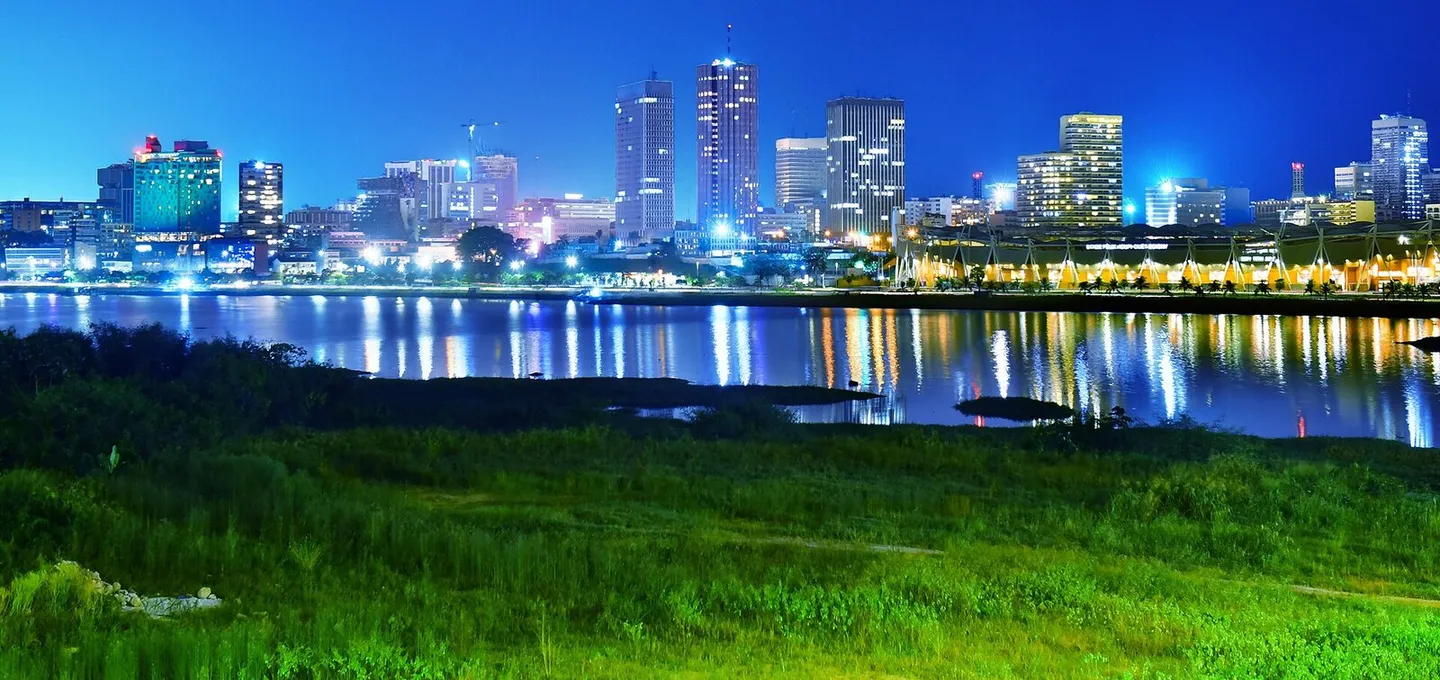
Ivory Coast travel: guide to regions and cities to discover
Ivory Coast travel unfolds between lagoons, ocean and savannah. Abidjan, the economic capital, lives along the Ébrié lagoon; to the east lie Grand-Bassam and its historic town, then the beaches of Assinie; in the centre, Yamoussoukro, the political capital, and its basilica. Further away, the mountainous west around Man and the Senufo country around Korhogo reward travellers who take their time.
When travelling to Ivory Coast, expect a country with more than 500 km of coastline, about 70 languages and an interior still little visited by travellers. The French foreign ministry, for its part, formally advises against a few border zones: details are below.
This guide covers the regions, the cities already described on AfriqPnB, the best season, entry formalities (including the visa), health, culture and getting around, with links to our detailed articles.
Header photo: Edison McCullen, CC BY 4.0, via Wikimedia Commons.
Logements meublés Ivory Coast
Hôtels Ivory Coast
Restaurants Ivory Coast
Activités Touristiques Ivory Coast
Locations de Voitures Ivory Coast
Villes à Explorer
0 Logements Meublés
0 Hôtels
0 Restaurants
0 Voitures de Location
4 Activités Touristiques
0 Logements Meublés
0 Hôtels
0 Restaurants
0 Voitures de Location
3 Activités Touristiques
0 Logements Meublés
0 Hôtels
0 Restaurants
0 Voitures de Location
2 Activités Touristiques
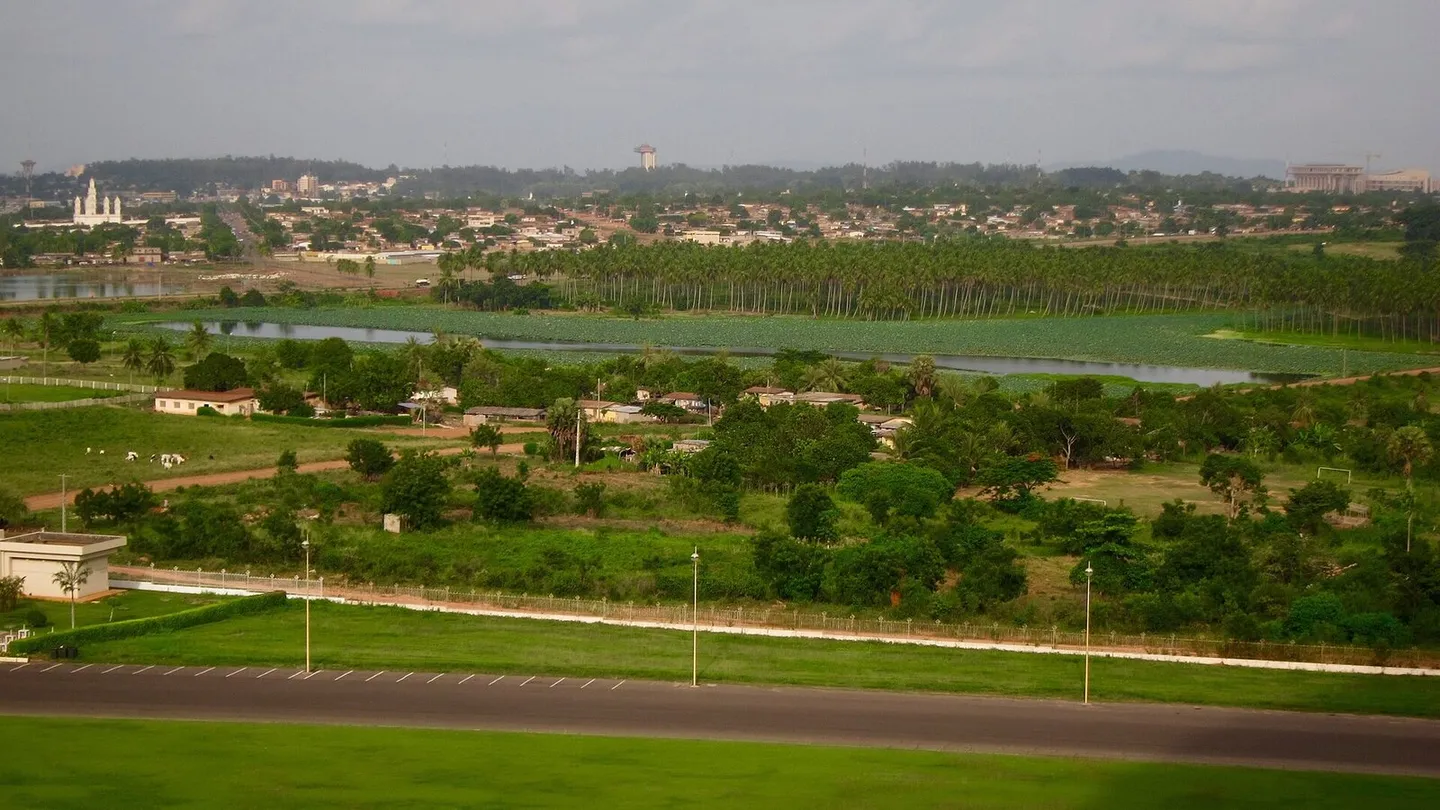
0 Logements Meublés
0 Hôtels
0 Restaurants
0 Voitures de Location
3 Activités Touristiques
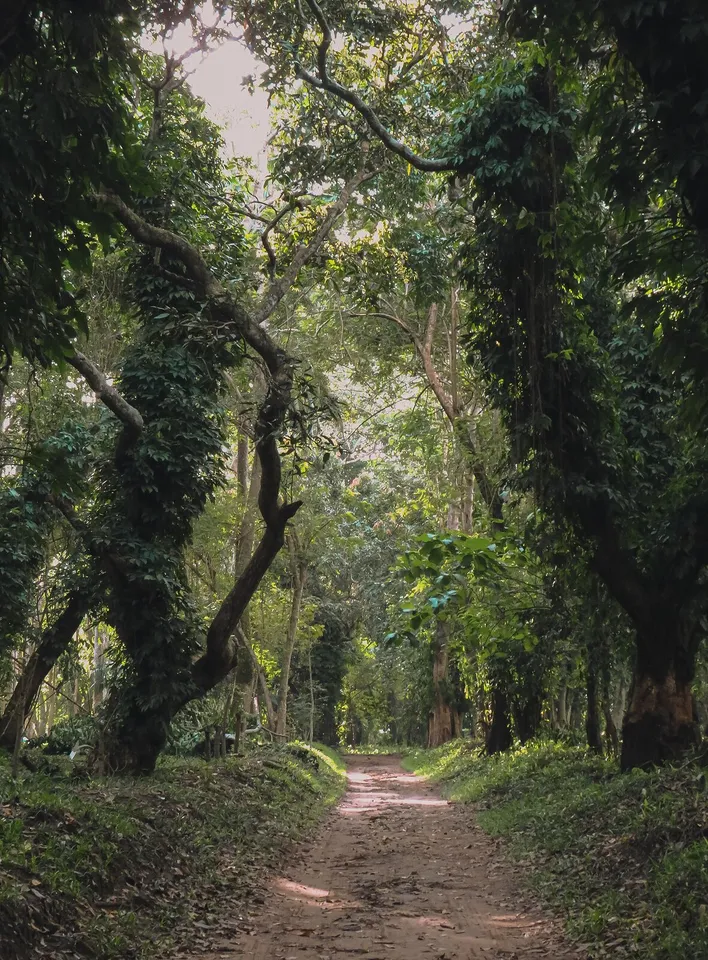
0 Logements Meublés
0 Hôtels
0 Restaurants
0 Voitures de Location
1 Activités Touristiques
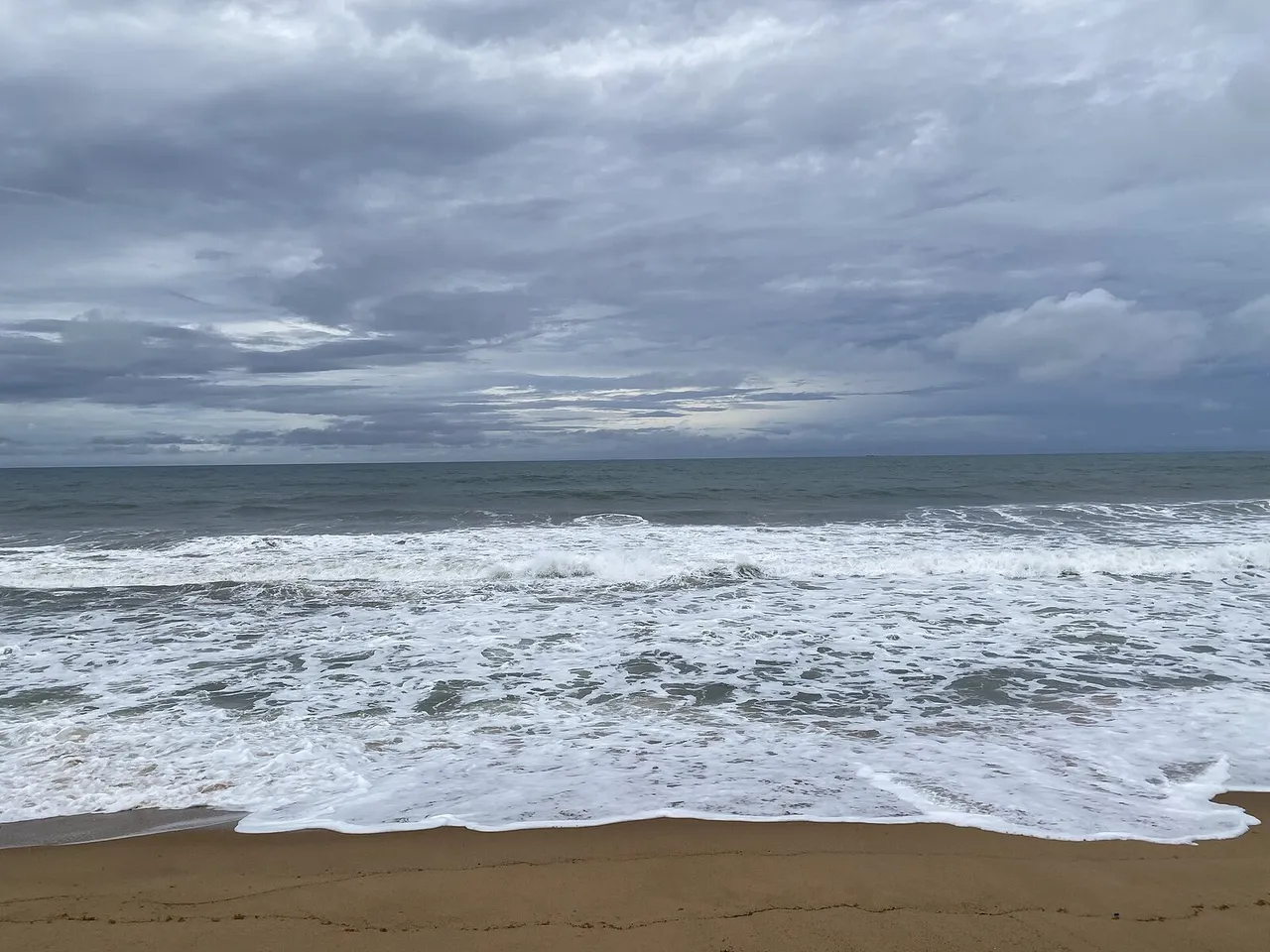
0 Logements Meublés
0 Hôtels
0 Restaurants
0 Voitures de Location
1 Activités Touristiques
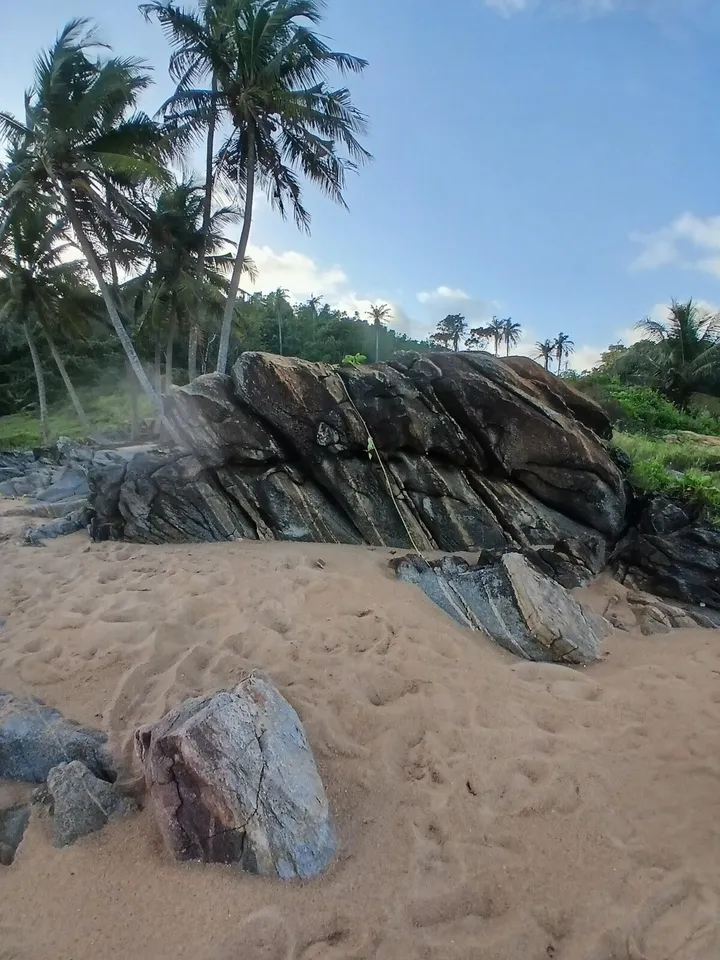
0 Logements Meublés
0 Hôtels
0 Restaurants
0 Voitures de Location
1 Activités Touristiques
The main regions
- Abidjan and the Ébrié lagoon: the economic capital, with very different districts (Plateau, Cocody, Treichville, Marcory) and, nearby, Bingerville, the former capital, and Boulay Island.
- The east coast: Grand-Bassam, whose historic town has been a UNESCO World Heritage site since 2012, and Assinie, between lagoon and ocean.
- The west coast: Jacqueville, then Sassandra, San-Pédro and Grand-Béréby, further from Abidjan and wilder.
- The centre: Yamoussoukro, the political capital, and Bouaké, in the heart of Baoulé country.
- The west: the Man region, its mountains and waterfalls; further south, Taï National Park, a World Heritage site since 1982.
- The north and east: Korhogo and the Senufo craft villages; Abengourou and Bondoukou in the east.
 Assinie. Photo : Dadrik, CC BY-SA 4.0, via Wikimedia Commons
Ivory Coast travel: region by region
The safety status quoted here comes from the security section of the French foreign ministry, read on 13 November 2026. It changes: check the page again before you leave.
- Abidjan: more than 6 million people in the district, about a fifth of the country's population (2021 census). Do not limit yourself to the Plateau, the business district. To see: Saint Paul's Cathedral, the Museum of Civilisations, Banco National Park, a forest in the heart of the city, Boulay Island (15 to 20 minutes by boat) and the Bingerville botanical garden, created in 1904.
- East coast: Grand-Bassam, about 40 km from Abidjan, with the Quartier France and the N'zima fishing village; Assinie, about 90 km away, has some twenty kilometres of beach between ocean and lagoon. The Ehotilé Islands park, on the Aby lagoon, is a Ramsar site.
- West coast: Tiagba, a village on stilts, Azagny park (two thirds of it mangrove), Sassandra and its bay, San-Pédro 333 km from Abidjan, then Grand-Béréby, where sea turtles lay eggs during the dry season, roughly from October to February. Along the Liberian border, the strip from Danané to Tabou (Taï, Grabo) is advised against except for compelling reasons: check the map before driving west.
- Centre: Yamoussoukro (230 km from Abidjan, basilica consecrated in 1990); Bouaké, the country's second city; Lake Kossou; Tiassalé, between the Bandama and the N'Zi; Ahouakro, a sacred site on UNESCO's tentative list, which is not an inscription.
- West: Man, capital of the Tonkpi region (Montagnes district), 7.5 to 8 hours from Abidjan. The Ypou waterfall (about 20 m), Mount Tonkpi (about 1,200 m), the Dent de Man, the liana bridges of Danané. Taï park is in an orange zone; the Mount Nimba nature area (1981) is not open to visitors.
- North: Korhogo, about 600 km from Abidjan, capital of Senufo country, with craft villages (weavers of Waraniéné, cloth painters of Fakaha, blacksmiths of Koni). The Sudanese-style mosques of northern Ivory Coast have been inscribed since 2021; Kong is near the border, so check the map. The east of Savanes is formally advised against.
- East: Agni country. Abengourou, about 200 km from Abidjan, and the yam festival; Bondoukou, the town of “a thousand mosques”. Comoé National Park (1983) is formally advised against: it is heritage, not a destination.
 Dent de Man. Photo : Milequem Diarassouba, CC BY-SA 4.0, via Wikimedia Commons
Cities to discover
- Abidjan: arriving, finding your way, choosing a district; see also things to do in Abidjan.
- Grand-Bassam: the Quartier France, the National Costume Museum and the beach; see things to do in Grand-Bassam.
- Assinie: Assouindé, Assinie-Mafia and the Ehotilé Islands.
- Yamoussoukro: the Basilica of Our Lady of Peace, the crocodile lake, the Félix Houphouët-Boigny Foundation; see things to do in Yamoussoukro.
- Jacqueville: beaches and lagoon, west of Abidjan.
- Bingerville: the botanical garden and the former governor's palace.
- Sassandra: its bay, its wharf and its beaches.
To move between them: getting to Grand-Bassam, getting to Assinie and getting to Yamoussoukro from Abidjan.
 Le Plateau, Abidjan. Photo : Edison McCullen, CC BY 4.0, via Wikimedia Commons
What to do in Ivory Coast
The highlights are presented region by region in the best tourist sites in Ivory Coast. For the sea, see the most beautiful beaches and the beaches near Abidjan: the sea and lagoons are often dangerous and rarely supervised, so ask locally before swimming. Traditional festivals such as the Abissa in Grand-Bassam or the Popo Carnival in Bonoua are listed in the festival calendar.
On a first visit, focus on Abidjan, the historic town of Grand-Bassam, Assinie beach, the basilica of Yamoussoukro, the waterfalls around Man and the craft villages of Korhogo. Allow three to four days for Abidjan and Grand-Bassam, and a week more to add Yamoussoukro and Man.
 Basilique Notre-Dame de la Paix, Yamoussoukro. Photo : Didierwiki, CC0, via Wikimedia Commons
Ivory Coast itinerary ideas
These ideas stay outside the zones advised against by the French foreign ministry. Drive in daylight and allow margin between stops.
- One week: Abidjan (Plateau, Cocody, Banco park), Grand-Bassam and its Quartier France, the beaches of Assinie, then Yamoussoukro and its basilica by motorway.
- Ten to twelve days: add the mountainous west around Man (waterfalls, Dent de Man), or the west coast via Jacqueville and Sassandra. The Liberian border strip, from Danané to Tabou, is advised against except for compelling reasons.
- Two weeks: add Korhogo and the Senufo craft villages, ideally by domestic flight. The east of Savanes and the border area with Mali and Burkina Faso are formally advised against.
Details of each stop: the tourist sites of Ivory Coast and getting to Yamoussoukro.
 Ville historique de Grand-Bassam. Photo : Milequem Diarassouba, CC BY-SA 4.0, via Wikimedia Commons
When to go
On the coast, the long dry season runs from mid-December to mid-April, with a short dry spell in August and September. For the north and west, the most pleasant period is December to February, despite the harmattan. In the centre, October to February is the period most often recommended. The wettest month in Abidjan is June. On the coast, temperatures hardly change: 27 to 31 °C by day and 22 to 24 °C at night. From February to March, afternoons reach about 35 °C in the north, in Korhogo. Details by region and month are in the best time to visit Ivory Coast.
 Plage de Niéga, Sassandra. Photo : Mégougou, CC BY-SA 4.0, via Wikimedia Commons
Visa and safety
For the Ivory Coast visa, French travellers need a visa and a yellow fever vaccination certificate. The official e-visa (snedai.com, read on 13 November 2026) costs €73, bank fees included, for multiple entries over 3 months; the passport must be valid for at least six months. Steps, price and timing in our visa article. The French foreign ministry advises against all travel to the border area with Mali and Burkina Faso, the north of Zanzan, the east of Savanes and Comoé National Park, and against all but essential travel to the strip along the Liberian border, from Danané to Tabou (including Tabou, Taï and Grabo); the rest of the country is under increased vigilance. The zones and practical advice, with dates, are in travel safety in Ivory Coast.
On the road, the ministry advises against driving at night and staying on main routes. In Abidjan, it recommends not going alone to Adjamé, Yopougon, Abobo or Gonzagueville in Port-Bouët after dark. Take an official taxi or a ride-hailing app, avoid visible signs of wealth, and keep a copy of your papers rather than the originals.
Travelling to Ivory Coast: health and practical tips
Health. The yellow fever vaccine is mandatory for any stay; updating tetanus, diphtheria and hepatitis A is advised, and other vaccines depending on your case. Malaria is present all year: discuss preventive treatment with your doctor and use mosquito repellent. Drink capped mineral water, avoid ice of uncertain origin and poorly washed raw food. Medical repatriation insurance is recommended. The emergency numbers quoted in 2026 are 180 and 185 for health, 110, 111 or 170 for the police: check them before you go.
Sea and lagoons. The surf barrier and undertows carry away even good swimmers, and beaches are rarely supervised. Ask local people before entering the water, never swim alone and keep children in sight.
Money. The currency is the West African CFA franc (FCFA), pegged to the euro at a fixed rate: €1 = 655.957 FCFA. Cash machines are plentiful in Abidjan, scarcer elsewhere (none in Assinie in 2026): carry cash and small change; cards are mostly accepted in tourist hotels and restaurants. Orange Money is widely used. A local SIM card is available on arrival; the voltage is 220 V, with sockets close to French ones. It is 12:00 in Ivory Coast when it is 13:00 in France, 14:00 in summer time.
 Plage de Grand-Bassam. Photo : Kod B, CC0, via Wikimedia Commons
Getting around Ivory Coast
Arriving. Abidjan's Félix Houphouët-Boigny international airport receives a direct Air France flight from Paris, of about 6 h 20. From the airport, take an official (red) taxi and agree the fare before the ride, or order a ride-hailing car such as Yango.
By road. Motorways link Abidjan to Grand-Bassam and to Yamoussoukro (236 km, about 2 h 45), then Yamoussoukro to Bouaké. UTB intercity buses cost 2,500 to 7,000 FCFA from Abidjan; they are no longer allowed to run at night. Avoid gbakas, minibuses with frequent accidents, over long distances. San-Pédro, Man and Korhogo are harder to reach: a 4x4 and an experienced driver are advised on the west coast and in the west. To rent a vehicle, an international licence and insurance are mandatory.
By air. Air Côte d'Ivoire serves San-Pédro, Bouaké, Korhogo, Man and Odienné; the flight to San-Pédro takes about an hour, against six hours by road.
In town. In Abidjan, Sotra buses cost 200 to 500 FCFA, wôrô-wôrô are shared taxis with fixed fares, and red taxis are negotiated despite the meter. By day, the districts visitors frequent pose no particular difficulty; at night, use a taxi or a ride-hailing car.
 Lagune Aby. Photo : Cyriac Gbogou, CC BY-SA 4.0, via Wikimedia Commons
Ivorian food
Attiéké (cassava semolina), alloco (fried plantain), garba, kedjenou and palm-nut or peanut sauces are best tasted in maquis, the country's popular restaurants. The full guide: what to eat in Ivory Coast.
Food changes with the regions: seafood dominates in the south, yam in the east, rice in the west, millet and peanuts in the north. Bissap, a hibiscus flower drink, and ginger or pineapple juices are drunk everywhere. Mangoes are in season from February to June. Avoid bushmeat, banned for consumption since 2020.
 Attiéké et poisson. Photo : Zak Le Messager, CC BY-SA 4.0, via Wikimedia Commons
Peoples, languages and festivals
French is the official language; the country has about 70 languages, including Dioula, the lingua franca, with Baoulé, Bété and Agni among the most spoken. In Abidjan, Nouchi is the slang of young people. Four large groups of peoples are usually distinguished: the Akan (Baoulé, Agni, lagoon peoples including the N'zima), the Voltaic peoples (Senufo, Lobi), the Mandé (Malinké, Dioula, Dan) and the Krou (Bété, Wè).
Mask dances are seen in Dan country (Man) and Senufo country (north). Crafts are rich: painted Korhogo cloths, woven Baoulé wraps, gold weights, Katiola pottery. Ivorian music has several faces: zouglou, born among students in the 1980s, Alpha Blondy's reggae, and coupé-décalé, born in Paris in the diaspora in the early 2000s.
Each people has its own festival calendar: the Abissa in Grand-Bassam (late October), the Popo Carnival in Bonoua after Easter, the Tonkpi Nihidaley in Man in December. Some ceremonies are religious or limited to initiates: ask the organisers' permission before attending, photograph nothing without consent and do not enter a sacred place unless invited. See the festival calendar.
 Danse de masque, Man. Photo : Dadrik, CC BY-SA 4.0, via Wikimedia Commons
FAQs
Showing 10 of 10 FAQs
What is the best time to visit Ivory Coast?
Mid-December to mid-April for the coast, the long dry season; December to February for the north and west. A second window opens in August and September on the coast and in the centre.
Do I need a visa for Ivory Coast?
Yes for French travellers, together with a yellow fever vaccination certificate. The application is made online on the official e-visa website (€73 for three months, multiple entries, read on 13 November 2026); see our visa article.
Is Ivory Coast safe for travellers?
Most of the country is under increased vigilance according to the French foreign ministry; the northern border areas and Comoé National Park are formally advised against, and the Liberian border strip is advised against except for compelling reasons. Details in our safety article.
Which cities should I visit first?
For a first trip: Abidjan, Grand-Bassam, Assinie and Yamoussoukro, all reachable by road from Abidjan.
Is it safe to swim on Ivorian beaches?
With caution: the sea and lagoons are often dangerous and rarely supervised, and drownings are frequent according to the French foreign ministry. Ask locally where it is safe to swim; in Grand-Bassam, a hotel pool is safer.
Which sites in Ivory Coast are on the UNESCO World Heritage list?
Five: the historic town of Grand-Bassam (2012), Taï National Park (1982), Comoé National Park (1983), the Mount Nimba strict nature area (1981, with Guinea) and the Sudanese-style mosques of northern Ivory Coast (2021). Comoé is in a red zone: it is heritage, not a destination.
How long do I need to visit Ivory Coast?
Three to four days are enough for Abidjan and Grand-Bassam; add a week for Yamoussoukro and Man. Journeys are long in the rainy season.
How do I travel between cities?
By motorway and UTB bus for Grand-Bassam, Assinie and Yamoussoukro, by domestic flight for Korhogo, Man or San-Pédro. Avoid driving at night. See getting to Yamoussoukro.
Can I pay by card in Ivory Coast?
Mostly in Abidjan, in tourist hotels and restaurants. Elsewhere, pay cash in FCFA (€1 = 655.957 FCFA) or by mobile money, which is widely used. Cash machines are scarce outside Abidjan: withdraw before heading to the coast or inland.
Do I need to speak French to travel in Ivory Coast?
French is the official language and the common language of towns, transport and shops; English is little spoken. A few words of French and a translation app make the trip much easier.