Chargement...

Chargement...


The Abissa is the great annual festival of the N'zima people, in Grand-Bassam. It takes place in late October or early November, at the end of the rainy season. It runs as a week of festivities, preceded by a retreat; depending on the source, the whole period lasts up to two weeks. Dates change every year: confirm them locally. Here is the day-by-day programme, the meaning of the festival and tips for attending respectfully.
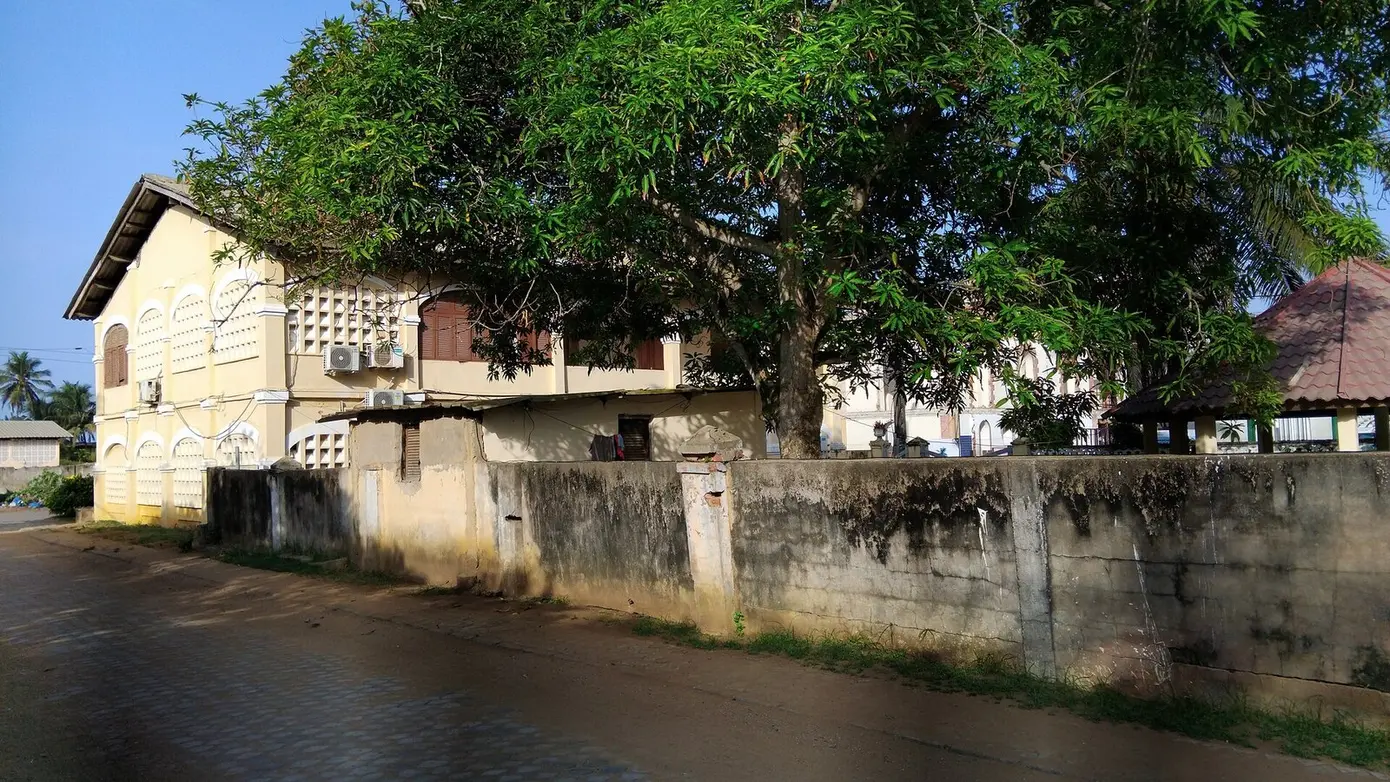
The Abissa is a multi-sided festival that celebrates the ripening of palm seeds, the passage from one year to the next and the reunion of the seven families of the N'zima clan. The guide also sees in it a tradition of social criticism and forgiveness: during the festival speech is free, anyone can say what hurt them, and the community seeks to restore balance. The N'zima link the festival to a legend: the head of one of the families is said to have surprised supernatural beings in the forest dancing around a heavenly drum, the Edogbolé, and been told to repeat this dance every year when palm seeds ripen.
The guide places it in late October or early November. The exact calendar is set by the community each year. If you want to see it, plan to stay at least from Monday to Sunday of the festival week. Ask before you plan your trip, at the town hall or at the Maison du patrimoine culturel in Grand-Bassam.
This is the sequence described by the guide. It can vary from year to year.
| When | What happens |
|---|---|
| First week | Retreat: costumes and choreographies are prepared; the Edogbolé drum is taken to a secret place |
| Monday | The drum is carried to the public square, everyone dances: official start of the festivities |
| Tuesday | Day of the kings |
| Wednesday | Day of the women |
| Thursday | Day of the executives |
| Friday | Day of the village chiefs |
| Saturday | The Ewoudolé: everyone dances, the seven families pledge allegiance to the king, costumed and made-up parade |
| Sunday | Farewell to the spirit of the Abissa, purification of the king by the sea, grand carnival-style brass band, day of forgiveness |
During the first week, field work stops, funerals are forbidden and the community withdraws. This retreat is not open to the public. Do not try to attend and do not ask where the drum is: its place is kept secret on purpose.
Saturday is the high point: the seven families parade and pledge allegiance to the king. On Sunday the purification of the king takes place by the sea, and the festival ends with a big brass band. These are two very popular moments, with a dense crowd.
The Abissa is a ritual ceremony, not just a carnival. A few simple rules.
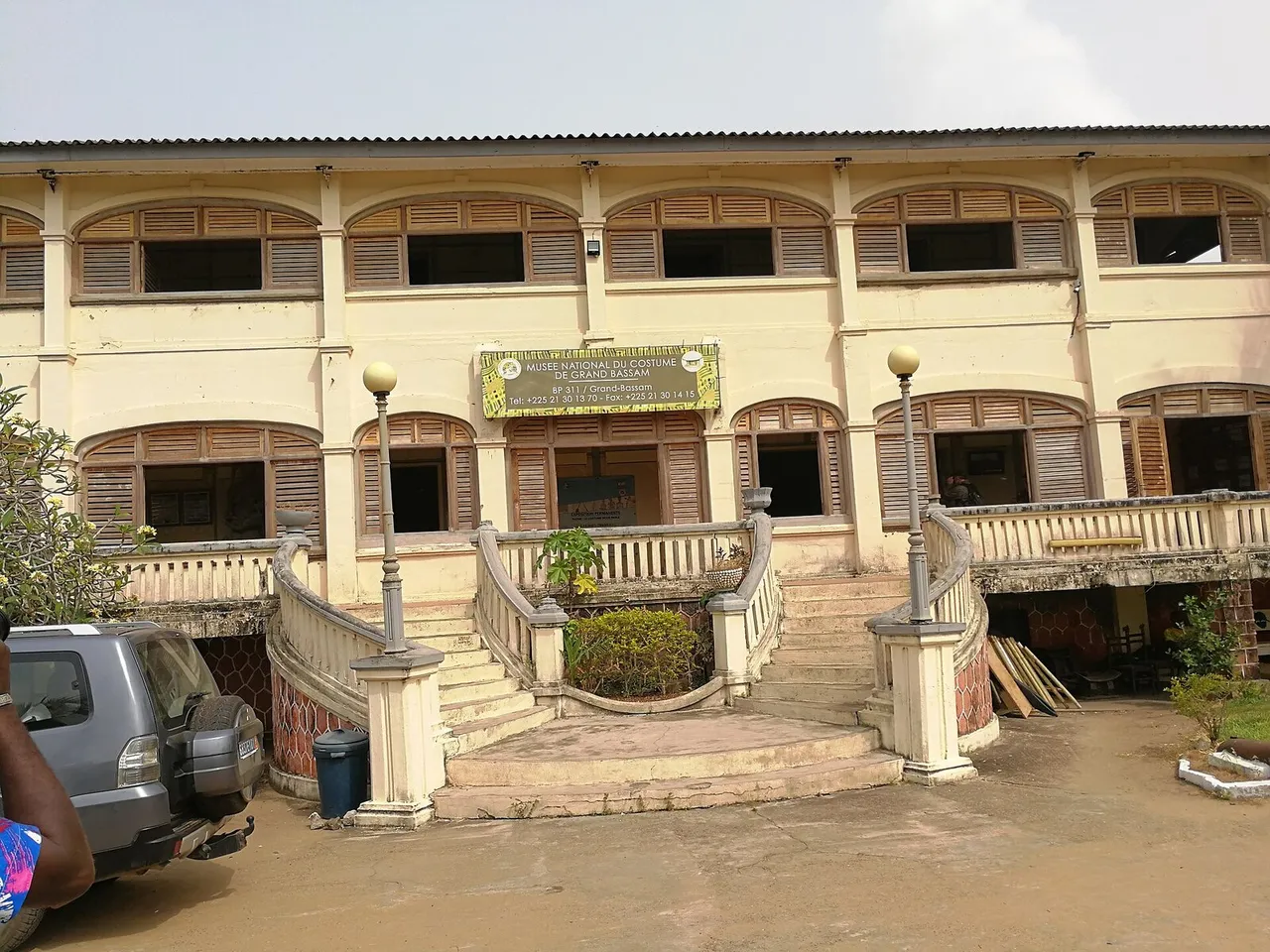 The National Costume Museum, in the former governor's palace. Photo: Modjou, CC BY-SA 4.0, via Wikimedia Commons.
Grand-Bassam lies east of Abidjan. The guide says the quickest way by car is the Abidjan-Bassam motorway. The town has been on the UNESCO World Heritage List since 2012 for its colonial quarter and N'zima fishing village. During the Abissa, crowds are large: arrange your accommodation in advance. Important reminder: the sea is dangerous at Grand-Bassam, with no lifeguards; the guide recommends a hotel pool to cool off. For general safety, see our article "Ivory Coast travel safety": the area is yellow according to the French ministry (page of 15 September 2026).
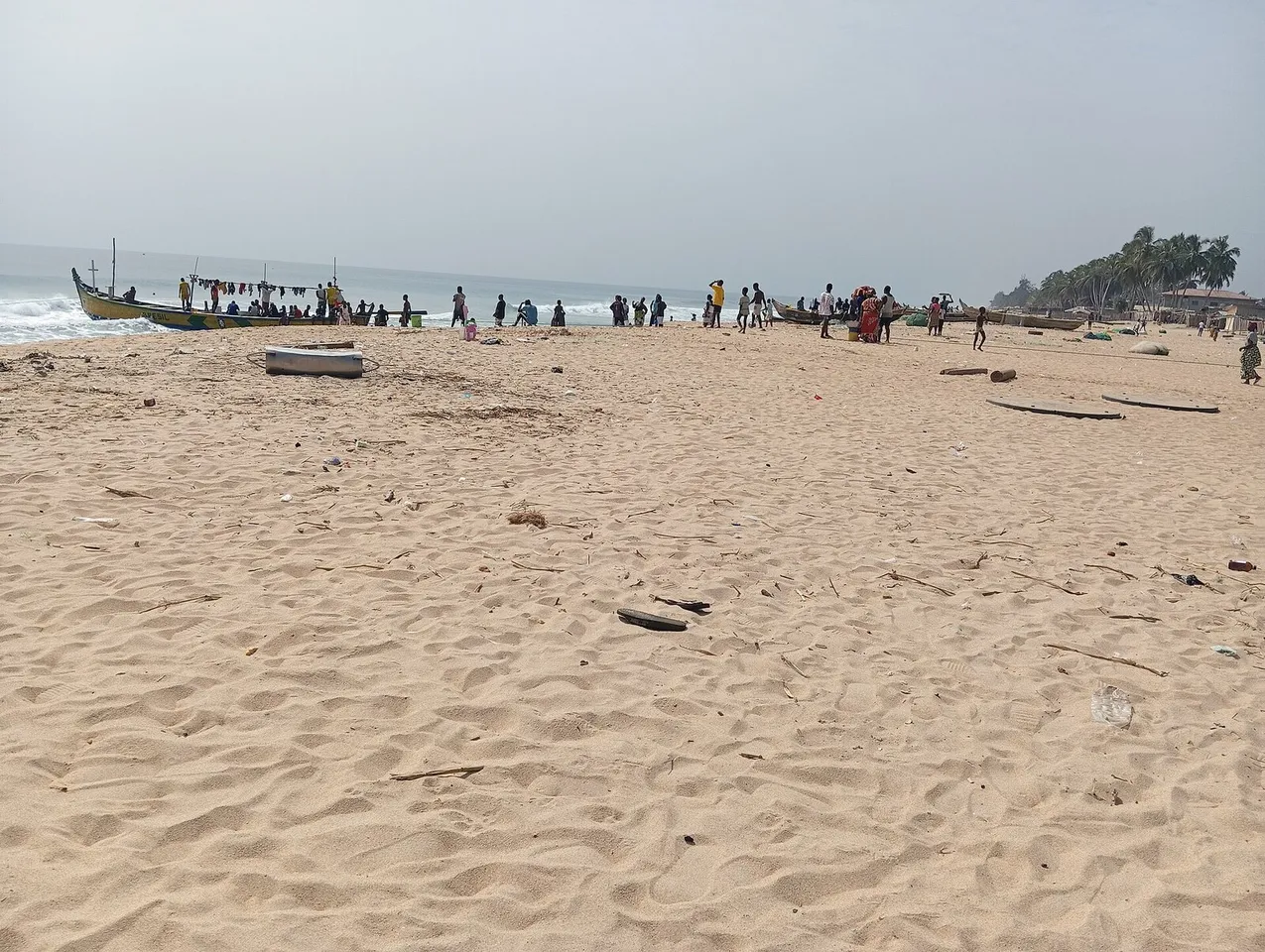 Grand-Bassam beach. The sea is dangerous here: ask locally before swimming. Photo: Kod B, CC0, via Wikimedia Commons.
To see the Abissa: aim for late October or early November, confirm the dates locally, arrive before Monday and stay until Sunday. Come as a discreet visitor, ask before photographing and leave the community its share of secrecy. See also our calendar of traditional festivals in Ivory Coast.
When is the Abissa festival?
In late October or early November, in Grand-Bassam. The exact date changes every year: confirm it locally.
How long does the Abissa last?
About a week of festivities, preceded by a retreat. The guide also speaks of two weeks in all.
Who celebrates the Abissa?
The N'zima people, living around Grand-Bassam. It brings together the seven families of the clan.
Can I take photos at the Abissa?
Always ask the rules before photographing, and the agreement of the village or court. Some moments are not photographed.
Is the Abissa open to visitors?
The days of dancing and parades take place on the public square and draw a large crowd. The first-week retreat is not open to the public.
Where should I stay during the Abissa?
In Grand-Bassam or Abidjan, arranged in advance, because crowds are large. We do not recommend a specific place in this article.
Ces articles peuvent vous intéresser
Culture
Réf: BGB7E13
Avis (0)
Laisser un commentaire
Incluez l'indicatif pays, ex: +237 612345678