
Best Time to Visit Ivory Coast: Climate and Seasons by Region


For most trips, the best time to visit Ivory Coast (Côte d'Ivoire) is the dry season, from December to February. But the country stretches from the Gulf of Guinea toward the Sahel and the climate changes a lot from south to north: on the coast a short dry spell also comes in August and September. Here is the calendar by zone, a month-by-month table, the festivals of the year and what to know before choosing your dates. Rain and temperature figures come from the guide and remain averages.
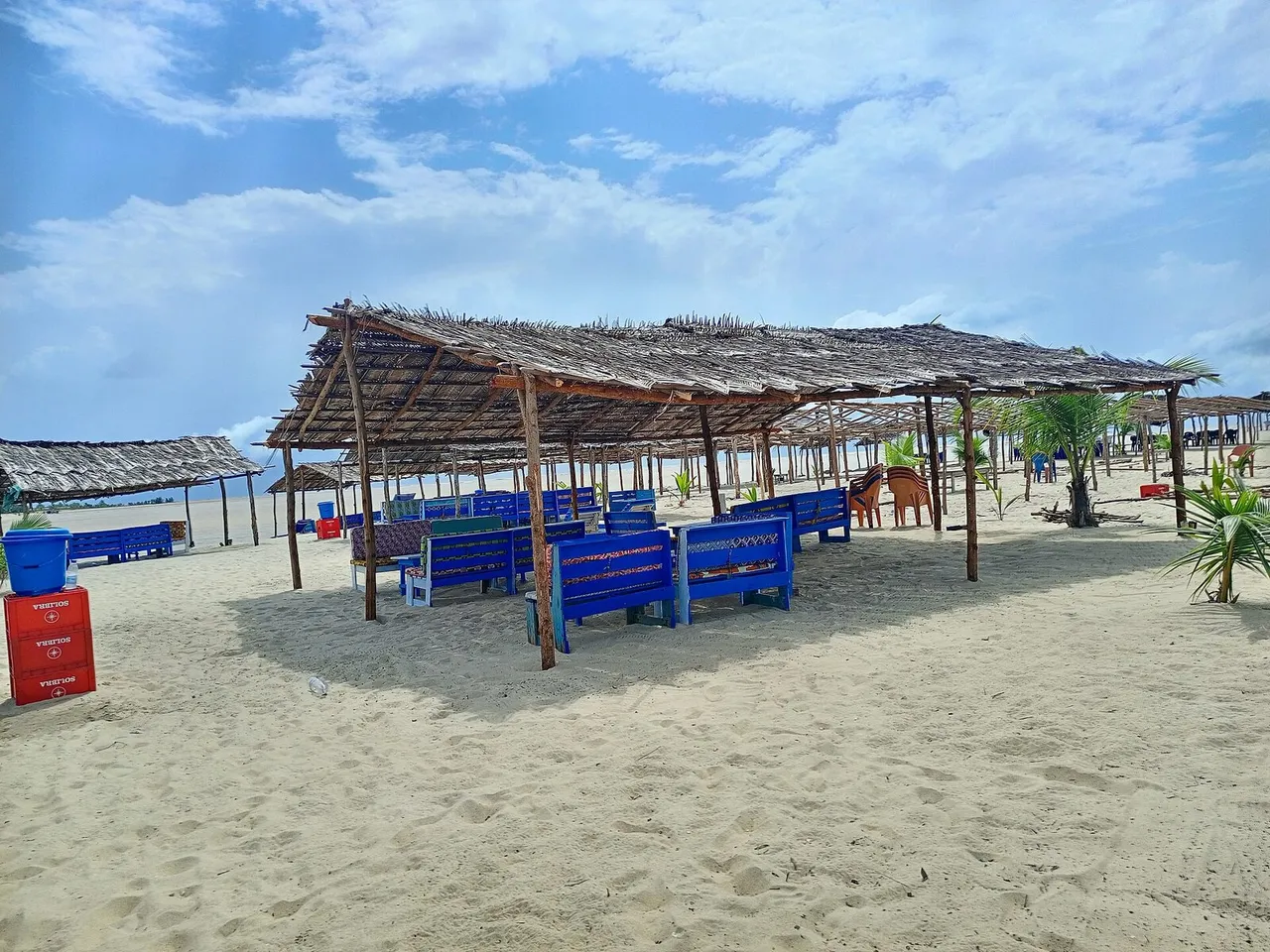
Three climate zones
The guide distinguishes three main zones, from the coast to the north.
| Zone | Where | Climate | Dry periods |
|---|---|---|---|
| Coast | Abidjan, Grand-Bassam, Assinie, San Pedro | Hot and very humid, 80 to 90% humidity, 25 to 30 °C. About 1,766 mm of rain a year in Abidjan, 2,129 mm in San Pedro | Long dry season from December to April, short one in August and September |
| Centre and forest | Yamoussoukro, Bouaké, Man | Temperatures from 14 to 33 °C, yearly rain from 905 mm (Bouaké, Yamoussoukro) to 1,897 mm (Man) | November to March, then July to August |
| North | Korhogo, Odienné | Only two seasons, large temperature swings | November to June, with a few showers in April |
The coast: Abidjan, Grand-Bassam, Assinie
For a beach stay, the guide advises the dry season, from mid-December to mid-April, or more broadly from mid-November to mid-May. In December and January it is mild, humidity is high and the sea is very warm. Rain arrives in April and May as heavy downpours alternating with sunny spells. June is the wettest month: about 400 mm in Abidjan according to the guide. A lull returns in August and September: barely 50 mm of rain in Abidjan in August. It suits those who want clear skies outside peak season. Note that in the west, around San Pedro and Sassandra, it rains more, even in December.
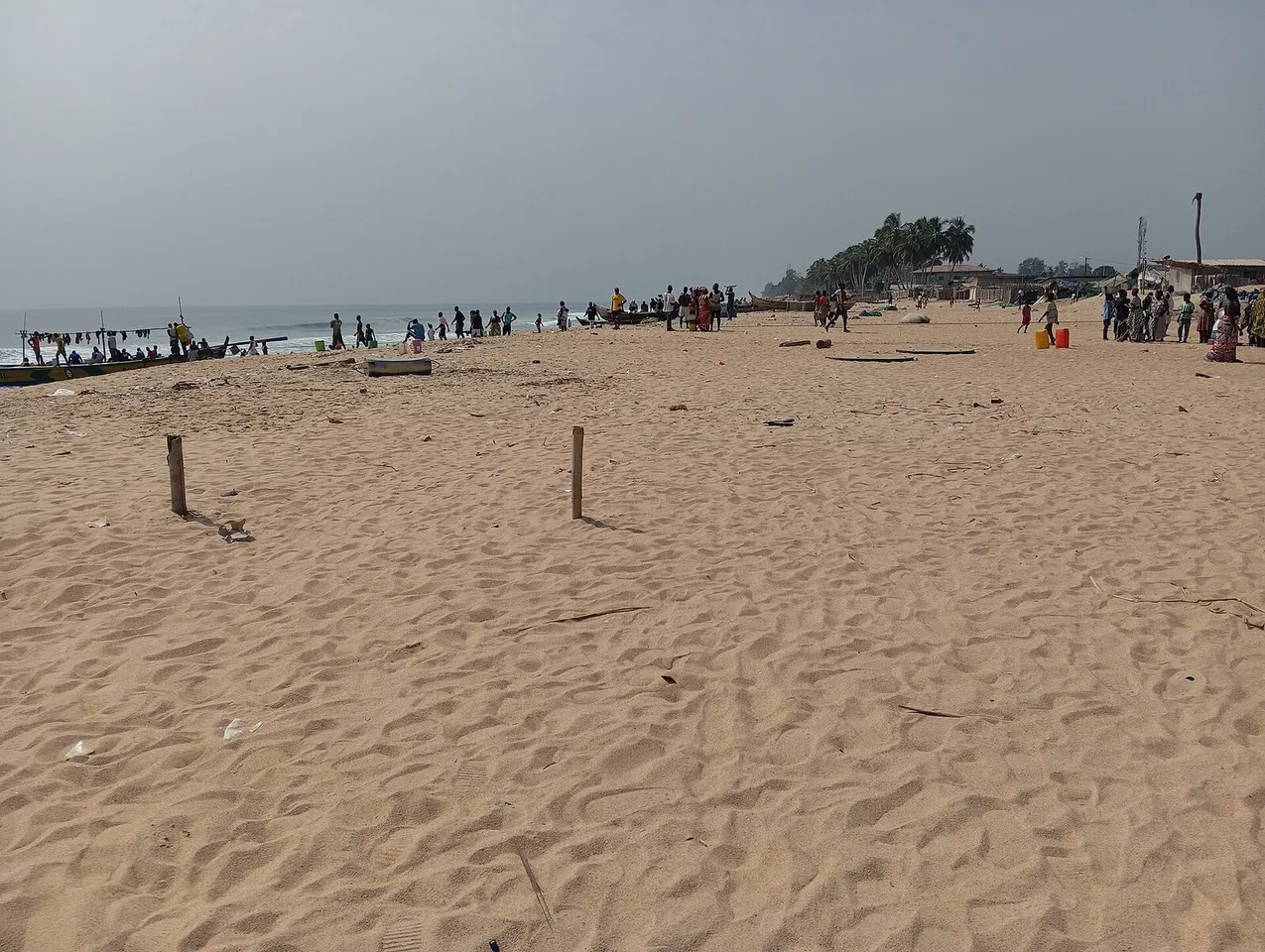 The seafront in Grand-Bassam. Photo: Kod B, CC0, via Wikimedia Commons.
Weather in Abidjan
Temperatures hardly change through the year: the guide gives highs of 27 to 31 °C and lows of 22 to 24 °C. The coolest month is August, with a 22 °C low and a 27 °C high. February to May are the hottest, with a 31 °C high. Above all remember the humidity, which makes the heat heavier.
The centre: Yamoussoukro and Bouaké
In the centre, the guide says the best period is also December to February, then August to September, with a short dry season. Rain drops sharply in October and November. In Yamoussoukro it rains very little in November. For a trip inland, the guide advises leaving between October and February.
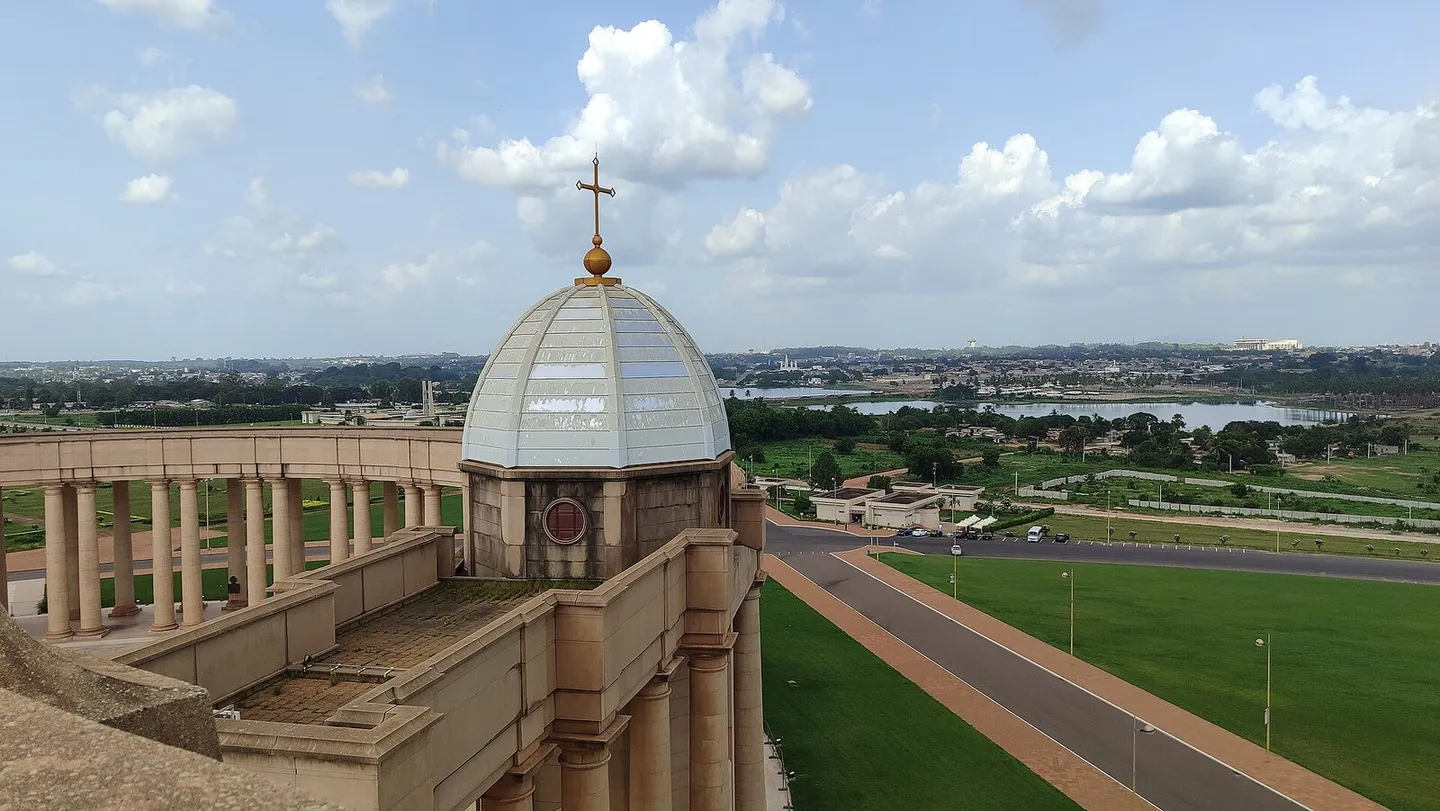 The basilica's dome and colonnade. Photo: Didierwiki, CC0, via Wikimedia Commons.
The west and north: Man and Korhogo
For Man and Korhogo, the guide recommends December to February. This is the dry season, but also the time of the harmattan, a dry desert wind that can veil the sky with dust and cool the nights: views from summits are then less clear. From February to March it averages 35 °C in the north and centre, and up to 45 °C in the northernmost savannah areas. In the north, rain intensifies in August and September. Around Man, the rainy season makes some tracks muddy.
Month by month
This table takes the minimum and maximum temperatures from the guide's country-wide chart, with coast and inland trends (guide 2026). Months are averages, not forecasts.
| Month | Temperatures | Coast (Abidjan, Assinie) | Inland and north | Festivals to note |
|---|---|---|---|---|
| January | 23 / 30 °C | Mild, humid, warm sea | Dry, harmattan, cool nights | Yam festival (east) |
| February | 24 / 31 °C | Stable, humid heat | Very dry, hot in the north | Abidjan Capitale du Jazz (February-March) |
| March | 24 / 31 °C | A few showers near Abidjan and Assinie | Dry, strong heat | Bouaké Carnival (March-April) |
| April | 24 / 31 °C | Rains begin | First rains in the north | Paquinou, Popo Carnival, Dipri |
| May | 24 / 31 °C | Heavy downpours | Easier air | FEMUA |
| June | 23 / 29 °C | Wettest month | Showers and sun | - |
| July | 23 / 28 °C | Rain slows, cloudy | More rain in the north | Festagni (July or August) |
| August | 22 / 27 °C | Short dry season | Rain in the north | Festagni |
| September | 22 / 28 °C | More showers but moderate | Heavy rain in the north | - |
| October | 23 / 29 °C | Rain returns in the east | Rain recedes | Abissa (late October) |
| November | 24 / 30 °C | Moderate rain, cloudy | Dry | Abissa, Harrist festival |
| December | 24 / 30 °C | Mild, dry | Dry, harmattan | Tonkpi Nihidaley (Man), yam festival |
Festivals by season
The dates of traditional festivals change every year: ask locally. The guide puts the yam festival in December-January, Abidjan Capitale du Jazz in February-March, the Bouaké Carnival in March-April, Paquinou and the Popo Carnival at Easter, FEMUA in May, Festagni in summer, the Grand-Bassam Abissa in late October or early November and the Tonkpi Nihidaley festival in Man in December. See our article "Traditional festivals of Ivory Coast".
Other things to weigh
Mangoes are in season from February to June, according to the guide. Sea turtles lay eggs at Grand-Béréby from October to mid-February. At weekends and during holidays, accommodation is in greater demand and the guide advises planning ahead. Finally, in the rainy season, some roads and tracks are difficult.
In short: aim for December to February for the whole country, August and September for the coast and centre, and avoid June if you want beach time. Festival dates change every year, so check them before buying a flight. Then sort out your visa and vaccines.
Questions Fréquemment Posées
What is the best time to visit Ivory Coast?
December to February, with a second window in August and September on the coast and in the centre.
When is beach season in Ivory Coast?
The guide advises the dry season from mid-December to mid-April, or more broadly mid-November to mid-May. Reminder: the sea is dangerous, always ask local people.
What is the weather like in Abidjan?
Hot and humid all year: 22 to 24 °C at night and 27 to 31 °C by day, according to the guide. The wettest month is June.
When is the rainy season?
On the coast the long rains run from May to July and a short rainy season returns in October and November. In the north the rainy season lasts from July to October.
When should I visit Man or Korhogo?
December to February, the dry season. The harmattan may however veil the sky with dust.
When is the Abissa festival?
In late October or early November, in Grand-Bassam. Dates vary: confirm them locally.
Ces articles peuvent vous intéresser
Catégorie
Guides
Réf: BGB7E15
Avis (0)
Laisser un commentaire
Incluez l'indicatif pays, ex: +237 612345678