Chargement...

Chargement...


Most of Ivory Coast (Côte d'Ivoire) can be visited without particular difficulty, as long as you follow a few rules and avoid certain areas. This article draws on the French foreign ministry travel advice, page updated on 15 September 2026, with a zone map assessed on 5 March 2026. Advice changes: read the official page again just before you leave. We add practical advice on the sea, roads, Abidjan at night and health. Other governments issue their own advisories, which you should also consult.
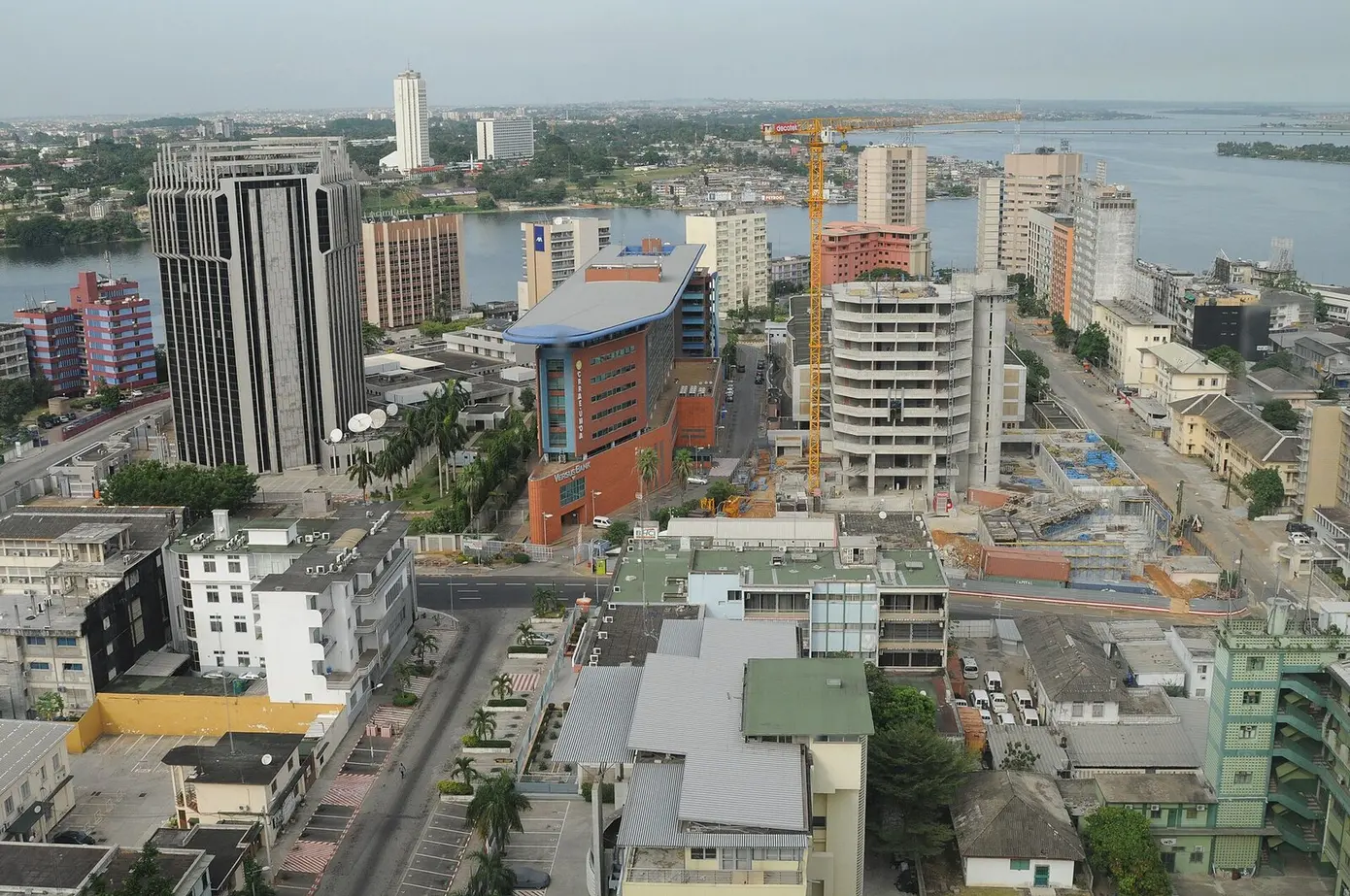
The ministry divides the country into three colours. Here is what the page read on 12 November 2026 says.
| Colour | Meaning | Areas |
|---|---|---|
| Red | Formally advised against | Border with Mali and Burkina Faso, north of Zanzan, east of Savanes, Comoé National Park |
| Orange | Advised against unless essential | Border regions with Liberia: Tabou, Taï, Grabo |
| Yellow | Heightened vigilance | The rest of the country |
In practice, Abidjan, Grand-Bassam, Assinie, Yamoussoukro, Sassandra, San Pedro, Man, Korhogo and Bondoukou are not in the red or orange areas named. That does not remove the need for vigilance: check the map before going near a border. In the north and east, some sites named in guidebooks, such as Comoé park, are not visitable today.
The ministry recommends checking the security of your accommodation, staying on main roads, travelling in a convoy of at least two vehicles by day and not travelling at night. This advice mainly concerns trips in the bush. In towns, the country is generally described as safe for visitors; you are advised to avoid gatherings and crowds and to carry a certified copy of your documents rather than the originals.
The sea is dangerous along much of the coast. The surf bar, a line of powerful waves, and undertow currents called baïnes carry away even strong swimmers and surfers, according to the guide. Beaches are rarely patrolled by lifeguards. Lagoons and rivers can also hide currents.
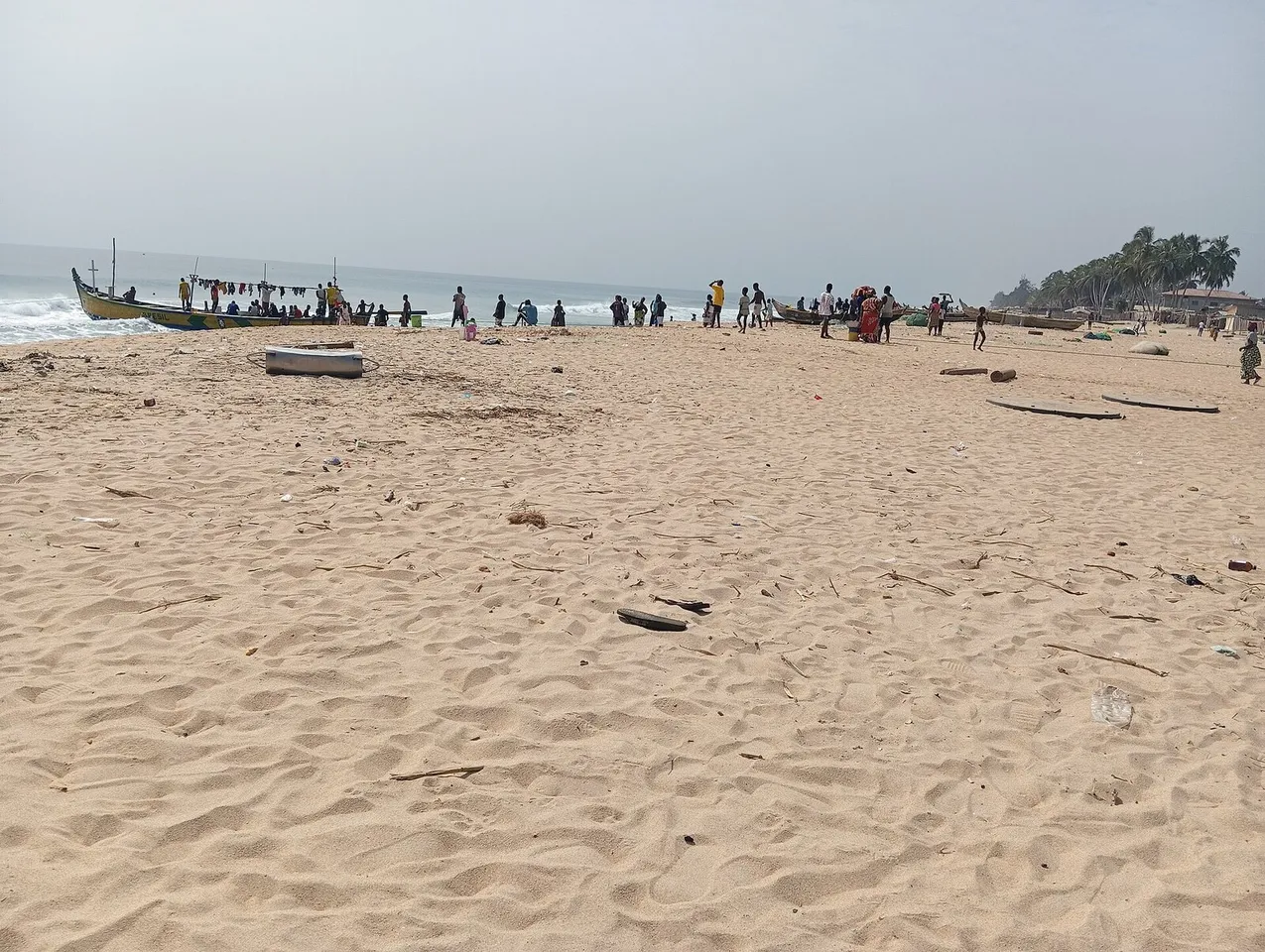 Grand-Bassam beach. The sea is dangerous here: ask locally before swimming. Photo: Kod B, CC0, via Wikimedia Commons.
Always ask local people or your hotel before entering the water. At Grand-Bassam, the guide recommends choosing a hotel pool. Even where the guide finds swimming safer, such as Sassandra bay, never swim alone and never leave children unsupervised. If a current pulls you out, the guide advises not to fight it and to let yourself drift to save your strength.
Roads have improved in recent years, but the guide describes the imprudent driving of many drivers. It advises choosing a known bus company, avoiding minibuses called gbakas as far as possible and not leaving valuables visible in a car. According to the guide, intercity buses are no longer allowed to run at night. If you rent a vehicle, an international licence and insurance are compulsory. In the rainy season, some tracks become impassable.
By day, the guide reports no difficulty in the districts visitors frequent, such as the Plateau, Cocody or Marcory. At night, it advises travelling by taxi. The ministry recommends not going alone to Adjamé, Yopougon, Abobo or the Gonzagueville area of Port-Bouët after dark.
Take an official city taxi (red taxis run across the whole city and are found at the airport) or a ride app such as Yango. The guide advises against unofficial taxis, especially at the airport. Agree the price before the ride in a metered taxi.
Avoid visible signs of wealth: jewellery, banknotes, phone, camera. Never leave anything on a car seat. When withdrawing cash, prefer machines in shopping centres or business districts.
The yellow fever vaccine is compulsory to enter the country. The guide also recommends updating tetanus, diphtheria and hepatitis A vaccines, and consulting your doctor about others. Malaria is present all year: preventive treatment and mosquito repellent are strongly advised. Drink sealed bottled water, avoid ice of uncertain origin and badly washed raw food. Medical repatriation insurance is recommended. According to the guide, emergency numbers are 180 and 185 for health, and 110, 111 or 170 for the police. Check them before you go.
Read the ministry page just before departure, register your trip with your own government's traveller scheme if you wish, and keep a copy of your passport apart from the original. Also prepare your visa: see our article "Ivory Coast visa".
To travel with confidence: respect the red and orange zones, avoid driving or moving about at night, stay careful at the sea, use official taxis in Abidjan and sort out your vaccines. Read the official page again the day before you leave. To choose your stops, see our article on tourist sites.
Is Ivory Coast safe for tourists?
The country is generally described as safe for visitors, outside the areas the French foreign ministry advises against. The French ministry puts the rest of the country under heightened vigilance (yellow zone) and formally or strongly advises against certain border areas.
Which areas are formally advised against?
According to the ministry (page of 15 September 2026, zones of 5 March 2026): the border with Mali and Burkina Faso, the north of Zanzan, the east of Savanes and Comoé National Park.
Is Abidjan dangerous?
The guide reports no difficulty by day in tourist districts but advises taxis at night. The ministry recommends not going alone at night to Adjamé, Yopougon, Abobo and Gonzagueville.
Can you swim in the sea in Ivory Coast?
With great care. The sea is dangerous and often unsupervised. Ask local people and prefer a hotel pool.
Which vaccines do I need?
Yellow fever is compulsory. The guide also recommends checking tetanus, diphtheria, hepatitis A and, depending on your case, hepatitis B, typhoid, polio and meningitis A and C. Talk to your doctor.
Do I need malaria tablets?
The guide strongly recommends preventive treatment, because malaria is present all year. Ask a doctor or a travel clinic.
Where can I find the up-to-date official advice?
On the French foreign ministry's travel advice page for Côte d'Ivoire, read for this article on 12 November 2026 (updated 15 September 2026).
Ces articles peuvent vous intéresser
Guides
Réf: BGB7E1D
Avis (0)
Laisser un commentaire
Incluez l'indicatif pays, ex: +237 612345678