
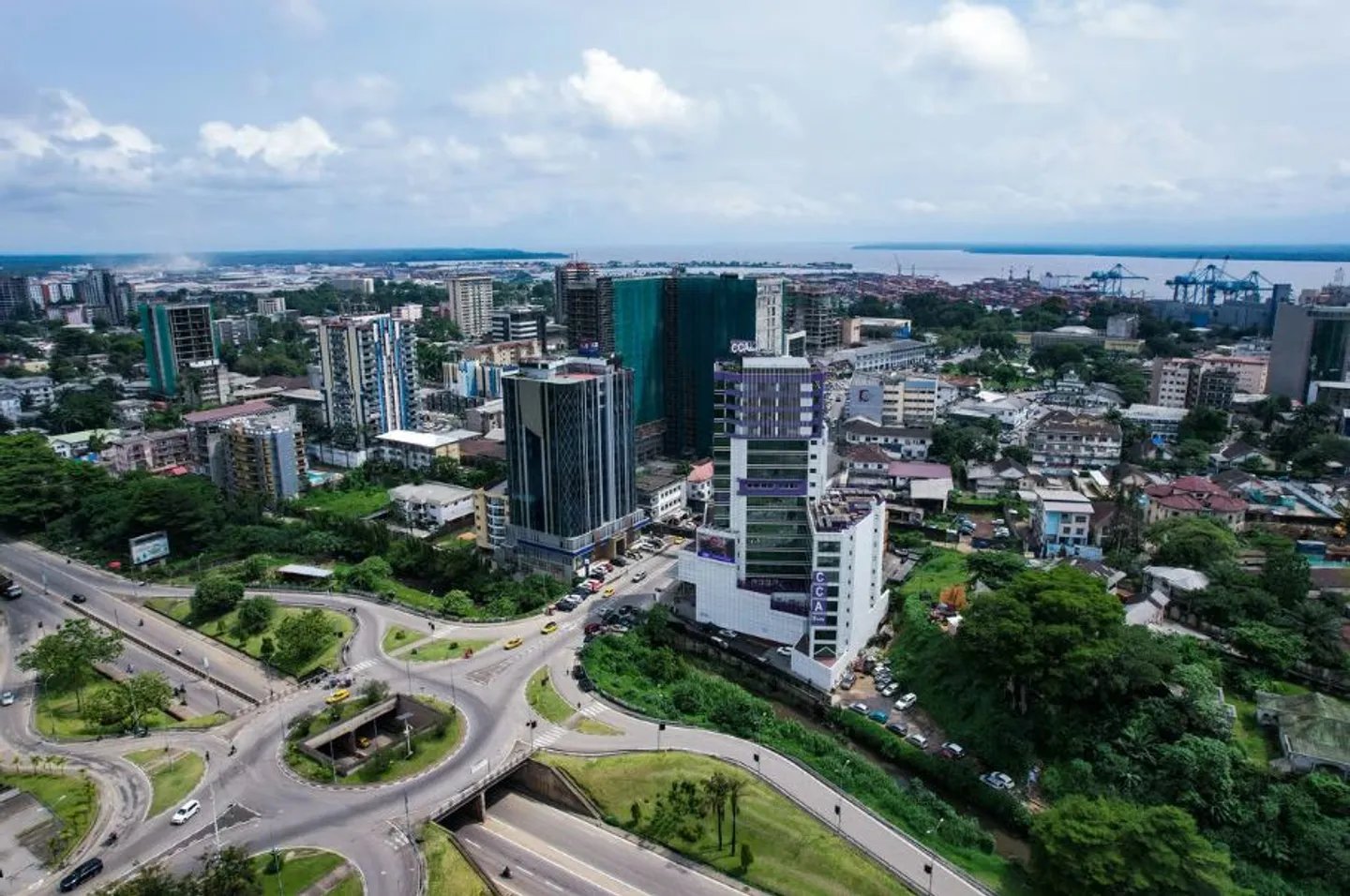
Douala: complete guide — real estate, restaurants, neighborhoods and practical life
Douala, the economic capital of Cameroon and the main maritime gateway to Central Africa, is a vibrant metropolis where commercial dynamism meets a rich Sawa cultural heritage. Located on the Wouri River estuary, this port city is a fascinating blend of modernity and traditions. This unique guide merges the cultural and historical essence of Douala with a practical overview of daily life, residential neighborhoods, the dynamic real estate market, and its flourishing gastronomic scene, providing a comprehensive resource for visitors, expatriates, and investors. Discover Douala's best neighborhoods, restaurants, real estate opportunities, and tourist attractions.
Logements meublés à Douala
Hôtels à Douala
Restaurants à Douala
Activités Touristiques à Douala
Locations de Voitures à Douala
Quartiers à Explorer
90 Logements Meublés
24 Hôtels
21 Restaurants
0 Activités Touristiques
6 Logements Meublés
6 Hôtels
3 Restaurants
1 Activités Touristiques
136 Logements Meublés
2 Hôtels
4 Restaurants
0 Activités Touristiques
42 Logements Meublés
0 Hôtels
2 Restaurants
0 Activités Touristiques
76 Logements Meublés
3 Hôtels
0 Restaurants
0 Activités Touristiques
29 Logements Meublés
0 Hôtels
0 Restaurants
0 Activités Touristiques
Douala Neighborhoods - Where to Live, Invest, and Go Out
Douala is divided into several distinct neighborhoods, each with its own character, property prices, and atmosphere. Choosing the right neighborhood is essential for your Douala experience.
High-End Residential Neighborhoods
- Bonapriso: Most sought-after area, embassies, luxury villas, chic restaurants (La Fourchette, Le Fouquet)
- Akwa: Business center, 4-5 star hotels, trendy restaurants (ATM Lounge, The Grey)
- Bonanjo: Administrative center, colonial architecture, government institutions
- Bali: Quiet residential area, villas with pools, international community
Emerging and Affordable Neighborhoods
- Bonamoussadi: Rapidly developing, social mix, many furnished apartments
- Makepe: Growing popular neighborhood, attractive property prices
- Logpom: Residential and commercial area, well-served, ideal for families
- Deido: Historic neighborhood, authentic atmosphere, renowned local restaurants (KMC)
Real Estate in Douala - Market, Prices, and Advice
The Douala real estate market is one of the most dynamic in Central Africa. Between high demand and limited quality supply, understanding market specifics is crucial to finding the right accommodation or making a profitable investment.
Prices and Market Trends (2024)
- Furnished 2-bedroom apartment: 150,000 - 400,000 FCFA/month depending on neighborhood
- Villa with pool: 800,000 - 2,500,000 FCFA/month
- Furnished studio: 80,000 - 150,000 FCFA/month
- Property purchase: 30 - 150 million FCFA for a villa depending on standard and location
How to Find Accommodation in Douala
- Recommended real estate agencies: List of reliable agencies with contacts
- Rental process: Deposit (2-3 months), standard contract, negotiation of terms
- Pitfalls to avoid: Verbal agreements, undeclared owners, neighborhoods without land titles
Gastronomy in Douala - Restaurants, Menus, and Addresses
Douala is Cameroon's gastronomic capital, offering exceptional culinary diversity ranging from traditional maquis to international gourmet restaurants. Find here the addresses, menus, and reviews of the city's best restaurants.
Must-Visit Restaurants by Neighborhood
- Bonapriso/Akwa: Le Fouquet (French), The Grey (fusion), La Fourchette (international), ATM Lounge (bar-restaurant), Saga Africa
- Deido: KMC (fast food ), 50 Nuances de Grey (trendy)
- Bonanjo: Chez Paul, Le Boj (modern Cameroonian)
- Various: Mazaj (Lebanese), Loving Hut (vegetarian), Bombay Masala (Indian)
Where to Find Menus and Photos
We centralize all menus, interior photos, and verified reviews of Douala restaurants for you. No more searching for "The Grey Douala menu" or "50 nuances de grey photos" - everything is available on AfriqPnB with regular updates.
Tourism and Cultural Life in Douala
Beyond its economic activity, Douala offers unique cultural and tourist attractions, blending history, contemporary art, and living traditions.
Sites and Monuments to Visit
- Dika Akwa Palace: Royal residence of Akwa chiefs, traditional architecture
- Statue of Liberty: Iconic monument at Deido roundabout
- Terminus Saint Michel: Historic train station and colonial building
- Flower Market: Unique atmosphere, local products, crafts
- Maritime Museum: Port history of Douala and Central African navigation
Events and Nightlife
- Festivals: Douala Hip Hop Festival, International Tourism Fair
- Nightlife: Trendy bars (ATM Lounge, The Yard), clubs, beach parties in Kribi (1.5 hours away)
- Contemporary art: Art galleries, artists' workshops, Doual'art (cultural organization)
Transportation and Practical Tips
- Getting around: Yellow taxis (negotiate the fare), motorcycle taxis ("bendskins"), and ride-hailing via the Yango app. BRT project underway.
- From the airport: Douala International Airport (DLA) is about 6 km from the center. Taxi or Yango recommended.
- Tips: Avoid displaying valuables. Prefer taxis recommended by your hotel in the evening. Sealed bottled water.
Geography and Climate of Douala
High-End Residential Neighborhoods
- Bonapriso: Most sought-after area, embassies, luxury villas, chic restaurants (La Marquise, The Grey)
- Akwa: Business center, 4-5 star hotels, trendy restaurants (ATM Lounge, The Grey)
- Bonanjo: Administrative center, colonial architecture, government institutions
- Bali: Quiet residential area, villas with pools, international community
- Bonabéri: on the right bank of the Wouri river, a lot of industrial areas
Emerging and Affordable Neighborhoods
- Bonamoussadi: Rapidly developing, social mix, many furnished apartments
- Makepe: Growing popular neighborhood, attractive property prices
- Logpom: Residential and commercial area, well-served, ideal for families
- Deido: Historic neighborhood, authentic atmosphere, renowned local restaurants (KMC)
History and Cultural Heritage
Founded by the Sawa peoples, particularly the Duala, Douala served as a trading post as early as the 17th century before becoming the capital of German Cameroon (Kamerunstadt) in 1884. The city is named after the Duala people. A significant historical figure is King Rudolf Douala Manga Bell, executed in 1914 for resisting colonial expropriation. His palace, "La Pagode," remains an important monument. After World War I, Douala came under French administration and confirmed its status as Cameroon's economic engine, strengthened by the construction of the Wouri Bridge in 1954.
Culture, Traditions and Fashion
Although it has become a melting pot, Douala retains a strong Sawa cultural identity. Duala traditions are expressed during ceremonies such as the Ngondo. The dress culture blends Western elegance with traditional outfits like the "Kaba" for women and the "Sanja" (draped fabric). The city is also influenced by SAPE (the Society of Ambiance-Makers and Elegant People), a subculture of flamboyant elegance. Local design is celebrated at events such as Mboti Week.
Economic Resources and Port
The Port of Douala is vital for the Cameroonian economy and neighboring landlocked countries. It exports natural resources such as cocoa, coffee, timber, crude oil and petroleum products. It is the main industrial and commercial center of Cameroon.
The Traditional Soul of Douala: Sawa Royalties, Heritage and Resistance
To understand Douala, you must listen to the Wouri River. It was on its banks that the city's identity was forged, long before its economic rise. The soul of Douala is that of the Sawa peoples, a group of coastal communities whose historic chieftaincies still structure the urban space and memory. The six traditional cantons – Akwa, Bell, Deido, Bassa, Bakoko, and Bele-Bele – are not mere neighborhoods. They are the guardians of a centuries-old history, living traditions, and a heritage that blends spirituality, royal prestige, and resistance to colonization. This guide invites you to discover Douala in its authentic light: a modern metropolis built on the foundations of dynamic royalties, where culture is expressed through great festivals like Ngondo (inscribed on UNESCO's Intangible Cultural Heritage list), and where every ancient stone tells a story.
The Six Founding Cantons of Douala
According to tradition, the Duala peoples, founders of Douala, descended from a common ancestor. Over the centuries, this lineage organized itself into distinct cantons, each with its own supreme chieftaincy and territory within the city.
- Canton Bell (Bonanjo/Bonadoo): One of the most well-known lineages, founded by King Bele a Doo. His grandson, Ndumbe Lobe Bell, signed the Germano-Duala treaty of 1884. His great-grandson, Rudolf Duala Manga Bell, is a national hero executed in 1914 for resisting colonial expropriation. The Palace of the Bell Kings (La Pagode), built in 1905, is a major heritage site.
- Canton Akwa (Bonambela): Founded by King Ngando a Kwa, this canton has always claimed a leading status. The Dika Akwa Palace is another important historical site.
- Canton Deido (Bonebele): Originating from an older branch of the Duala family, it was led by powerful figures like Kwane a Ngie. The canton embodies a lasting and distinct tradition.
- Canton Bassa & Canton Bakoko: Representing the indigenous peoples present before and alongside the Duala, these cantons perpetuate a rich cultural identity marked by their own festivals, dances, and crafts within the metropolis.
- Canton Bele-Bele (Bonabéri): Located on the right bank of the Wouri in the Douala IV district, this canton holds a crucial place. Its history is inseparable from the figure of King Kum'a Mbappé, also known as Lock Priso.
Bonabéri and the Resistance of the Bele-Bele Canton: The Story of the Tangué
The Bele-Bele canton, centered on Bonabéri, carries within it the history of fierce resistance. In 1884, when German forces annexed the region, King Kum'a Mbappé (Lock Priso) of Bele-Bele was the only major chief to refuse to sign the protectorate treaty, opposing the dislocation of his people.
In retaliation, the Germans besieged and burned his palace in Bonabéri in December 1884. During this assault, they looted sacred goods, including the Tangué.
- The Tangué: Much more than a work of art, the Tangué was a sacred object of the Bele-Bele royal family. It was a carved and decorated ship's prow, a symbol of the king's ultimate authority over the water tribes. It was central to spiritual rituals, enthronements, and served as a conduit for communication with the ancestors.
- An Ongoing Quest for Restitution: Stolen by a German colonial officer, the Tangué is now housed in the Museum Fünf Kontinente in Munich. For decades, descendants of the royal family, like Prince Kum'a Ndumbe III, and the traditional authorities of Bonaberi have been waging a diplomatic and legal battle for its restitution, a process still ongoing with the Cameroonian and German governments. This living history of resistance and heritage reclamation makes a visit to Bonabéri a profound and engaged cultural experience.
The Peak of Sawa Culture: The Ngondo Festival
Tradition is not a museum in Douala; it comes alive once a year during the Ngondo. This is the great annual assembly of the Sawa peoples (Duala, Bassa, Bakoko, and others), recognized by UNESCO. It takes place on the banks of the Wouri from September to the first Sunday of December.
It is a totally immersive cultural experience: pirogue races, traditional dances, artisan fairs, and ritual combats. The sacred moment is the "water ceremony", where a priest dives into the Wouri to bring back a message from the ancestors, guiding the community for the coming year. It is the perfect illustration of the vitality of the traditions that unite all the cantons of Douala.
Traditional Tourism: Authentic Experiences to Live
Discovering Douala from a traditional angle offers a much richer experience.
- Follow in the Footsteps of Kings and Resistors: Visit the Palace of the Bell Kings (La Pagode) in Bonanjo. Go to Bonabéri to understand the history of King Lock Priso's resistance and the quest for the Tangué.
- Experience the Ngondo: Plan a visit in November/December to attend this major festival, the convergence point for all Sawa cantons.
- Explore Canton Life: Engage with communities in the Bassa and Bakoko cantons during their local festivals.
- Understand the History of Trade: Go to the banks of the Wouri to imagine the era when the Duala kings were the indispensable intermediaries of trade.
By choosing this path, you are not just exploring a city, but diving into the living saga of the peoples who founded it.
FAQ
Affichage de 10 sur 14 FAQ
Quel est le meilleur quartier pour un expatrié à Douala ?
Bonapriso et Akwa sont les plus recommandés pour leur sécurité, commodités et communauté internationale.
Comment se déplacer à Douala ?
Taxis (jaunes) omniprésents, moto-taxis ("benskin"), location de voiture (recommandée pour autonomie), et bientôt le bus rapide (en projet).
Où trouver un appartement meublé à Douala ?
Utilisez www.afriqpnb.com avec filtres par quartier, prix et équipements. Bonamoussadi et Logpom offrent de bonnes options à prix modérés.
Quels sont les restaurants les plus célèbres de Douala ?
Le Fouquet (gastronomie locale), KMC Deido (cuisine rapide), The Grey (cadre et fusion), La Fourchette (institution).
Est-ce cher de vivre à Douala ?
C'est la ville la plus chère du Cameroun. Budget mensuel pour expatrié : 1,5 à 3 millions FCFA selon standing.
Y a-t-il des risques sanitaires à Douala ?
Paludisme présent, vaccinations recommandées (fièvre jaune obligatoire). Bonnes cliniques privées (Polyclinique, etc.).
Peut-on se baigner à Douala ?
Non, la plage de Douala n'est pas propre. Les plages les plus proches sont à Kribi (2h) et Limbé (1h).
Comment trouver un agent immobilier fiable à Douala ?
Recherchez les agences agréées, vérifiez les références, et évitez les transactions uniquement verbales.
Quelle est la meilleure période pour visiter Douala ?
Juillet à septembre (petite saison sèche) et décembre à février (grande saison sèche), moins de pluies.
Comment fonctionnent les contrats de location à Douala ?
Généralement 1-2 ans, caution de 2-3 mois, paiement en espèces ou virement. Un avocat peut vérifier le contrat.
Explorer Plus
Aucune destination à proximité disponible.