Chargement...

Chargement...


Kribi lines up kilometers of sandy beaches, fringed with coconut palms, on the Gulf of Guinea. Some are in town, a stone's throw from the hotels and the grilled-fish restaurants; others are almost deserted, half an hour's drive toward Campo. Here are the beaches of Kribi and the South coast, from north to south, with what you will find there and how to get there.
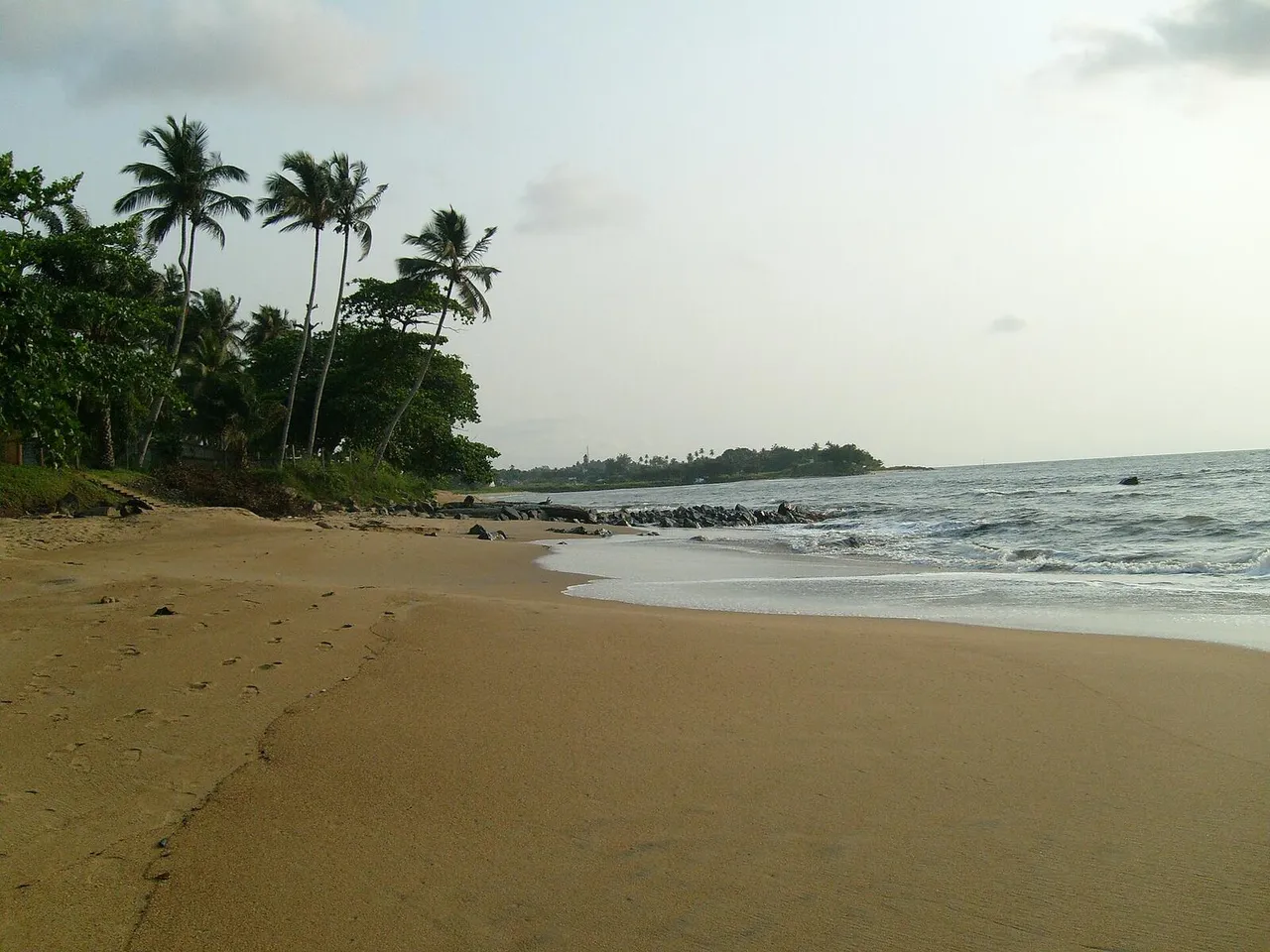
The N'Goyé neighborhood, in the center, is the liveliest: people stroll along the beaches, near the landing dock. Farther south, Mboa Manga has its own beach and landing dock, open every day from 7 a.m. to 6 p.m. (indicative hours).
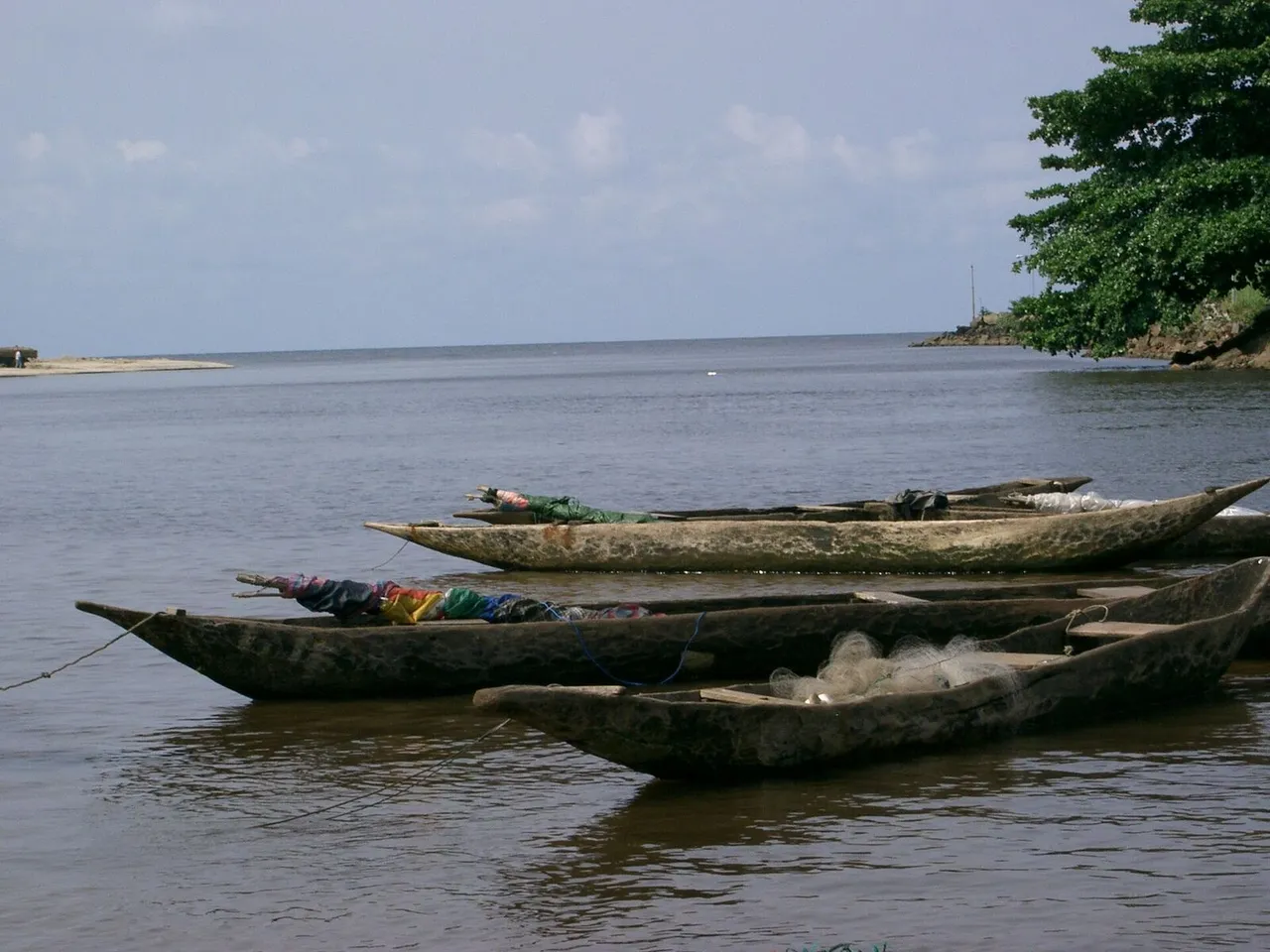 Fishing boats in Kribi.
In the morning, the fishermen empty their nets in front of visitors: fish, prawns, lobsters. You buy your catch and have it grilled in the small restaurants nearby. Come early: the morning is the best time.
A few kilometers south of Kribi, the Lobé River falls directly into the sea, over more than 100 m in width. The dugout canoe ride at the foot of the falls is recommended. The flow is at its strongest from September to November, during the rainy season.
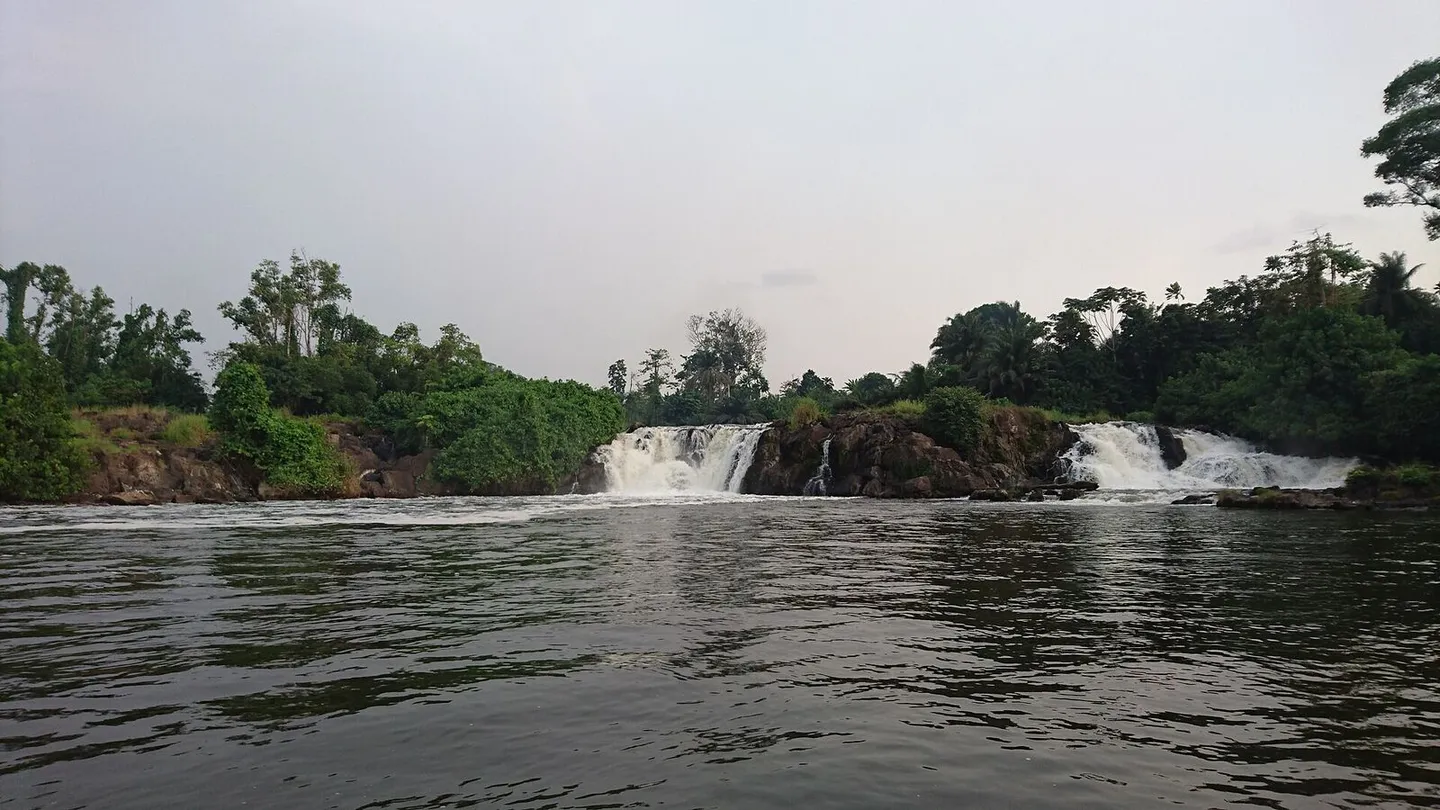 The Lobé Falls, south of Kribi.
After the Lobé, the coast becomes wilder. Grand-Batanga has fine, wilder beaches; part of it has suffered from the port's trucks, but a few beaches are still good for a picnic.
Halfway between Kribi and Campo, a wolf-shaped rock emerges at low tide. To see it, take the dirt track that goes down to the beach from the Campo road. Around it, the beaches of Eboundja and Ebodjé are often deserted.
On these beaches, there is no bar or restaurant: bring water and food. Come at low tide for the Rocher du Loup.
18 km north of Kribi, near the toll station, Londji is a small-scale fishing village. You can eat grilled fish on the beach, facing the dugout canoes. The mangrove, which is under threat, is still there. A licensed guide runs tours there in French and English.
Ebodjé is a fishing village about 50 km from Kribi toward Campo, 35 km of it paved. Its beaches are a protected site for leatherback and olive ridley turtles, which come to lay their eggs between November and January.
The Kudu project (Ebotour association) lets you join the eco-guards on their night patrols and explains the turtles' life. The village also offers simple lodging and dugout canoe rides on the Likodo River. Follow the eco-guards' instructions: no white light or flash near the turtles.
In two or three days, you can see the town beach, the Lobé Falls, the wild coast down to the Rocher du Loup and the village of Londji. Ebodjé takes one more day, ideally between November and January.
What is the most beautiful beach in Kribi?
It depends on what you are looking for. For atmosphere and grilled fish: N'Goyé and Mboa Manga. For the spectacle: the Lobé. For peace and quiet: Grand-Batanga, Eboundja and Ebodjé.
Can you swim in Kribi?
Yes, swimming is Kribi's main activity. Ask locally where to swim: the current changes from beach to beach and with the tides.
When can you see the turtles in Ebodjé?
Between November and January, during the nesting season, with the village's eco-guards.
Ces articles peuvent vous intéresser
Tourisme
Réf: BGC33E1
Avis (0)
Laisser un commentaire
Incluez l'indicatif pays, ex: +237 612345678