
Cameroon's Tourist Sites Worth Seeing, Region by Region


Beaches and waterfalls on the South coast, chiefdoms and crater lakes in the West, museums in Douala and Yaoundé, the Dja forest: Cameroon's landscape changes from one region to the next. Here are the sites to see, region by region, with indicative prices (including those of the Catalogue Tourisme de l'Ouest 2025-2026), to be checked before you go. For each region, we also give the advisory of the French Ministry of Foreign Affairs, because some regions are still advised against.
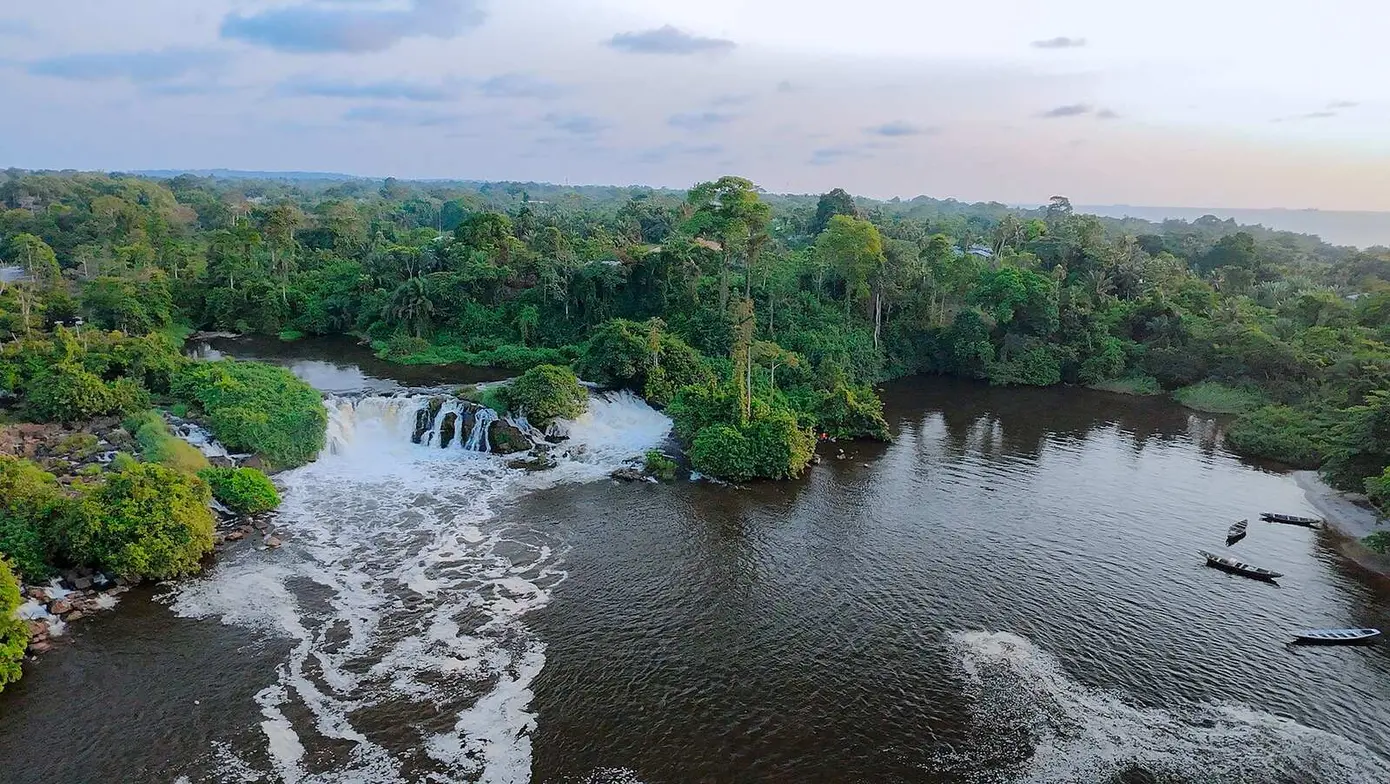
Cameroon's sites at a glance
| Region | Sites to see | Official advisory (France Diplomatie, November 5, 2026) |
|---|---|---|
| Littoral | Maritime Museum, the Pagoda and the Dika Akwa palace in Douala; Ekom-Nkam falls; Mount Manengouba; Lake Ossa | Outside the advised-against areas; increased caution at Ekom-Nkam and Manengouba |
| South | Lobé Falls, Grand-Batanga, Londji, Ebodjé, Campo Ma'an park, Nkolandom | Outside the advised-against areas |
| Center | Reunification Monument, National Museum, Mount Fébé, Sainte-Anastasie woods, Méfou park, Ebogo | Outside the advised-against areas |
| West | Bandjoun, Batoufam and Baham chiefdoms, palace of the Bamoun kings, Bandjoun Station, Dschang, Lake Baleng, Mount Mbapit | Outside the advised-against areas, except the borders with the Northwest and Southwest and the area around Lake Bamendjing |
| East | Dja reserve | Outside the advised-against areas, except the border strip (Yokadouma) |
| Adamaoua | Ngaoundéré, Lake Tison, Tello Falls | Advised against except for essential travel (Vina) |
| Southwest | Mount Cameroon, Limbé, Bimbia | Advised against except for essential travel |
| North, Far North, Northwest | Bénoué and Waza parks, Rhumsiki, Mandara Mountains, Bafut | North: advised against except for essential travel; Far North and Northwest: all travel advised against |
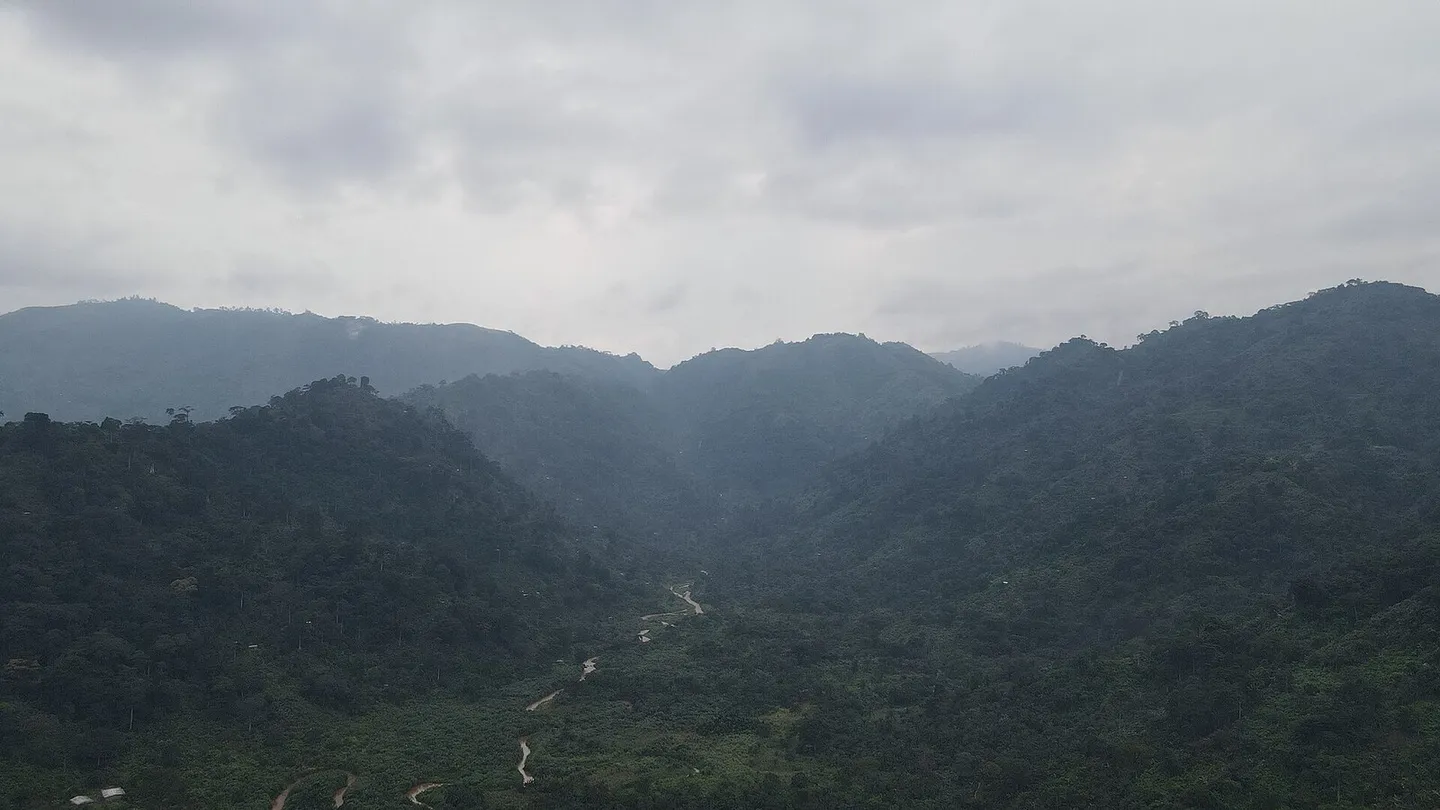 The Dschang cliff, in the West. Photo: GKNlend, CC BY-SA 4.0, via Wikimedia Commons.
The Littoral: Douala and its surroundings
Douala is the gateway for most travelers. Before heading to the coast or the West, the city deserves a day for its heritage, and its surroundings offer waterfalls, a volcano and lakes.
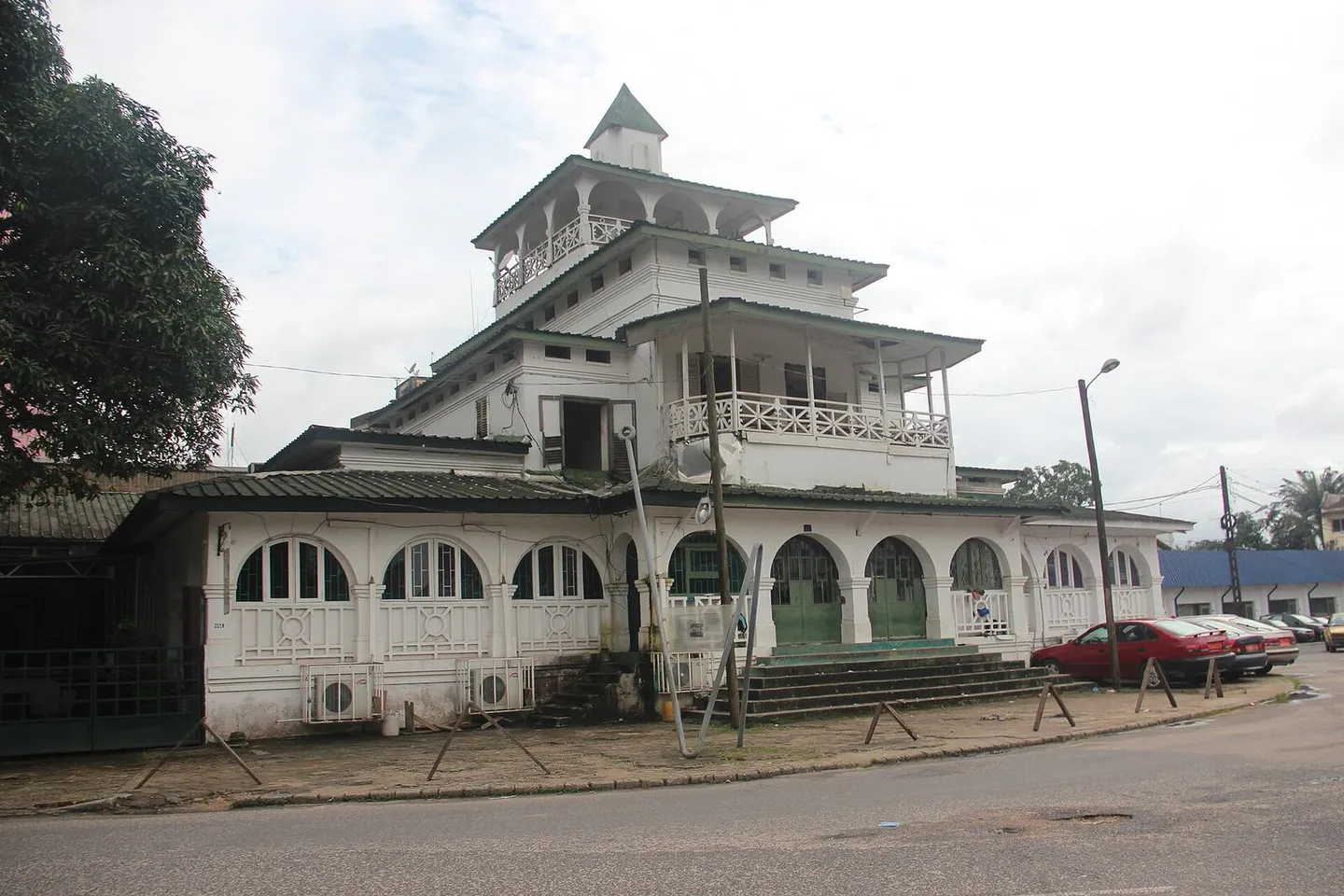 The Pagoda, palace of the Bell kings, Bonanjo. Photo: Guillaume WA, CC BY-SA 3.0, via Wikimedia Commons.
The Douala Maritime Museum
Housed in Bonanjo in a building shaped like an ocean liner, it tells the history of the coastal peoples, the slave trade, colonization and the post-colonial era from the perspective of the sea and the river. From the roof, the view stretches over the Wouri and the port. Open Tuesday to Sunday, 9 a.m. to 6 p.m.; admission 2,500 FCFA, 500 FCFA for children.
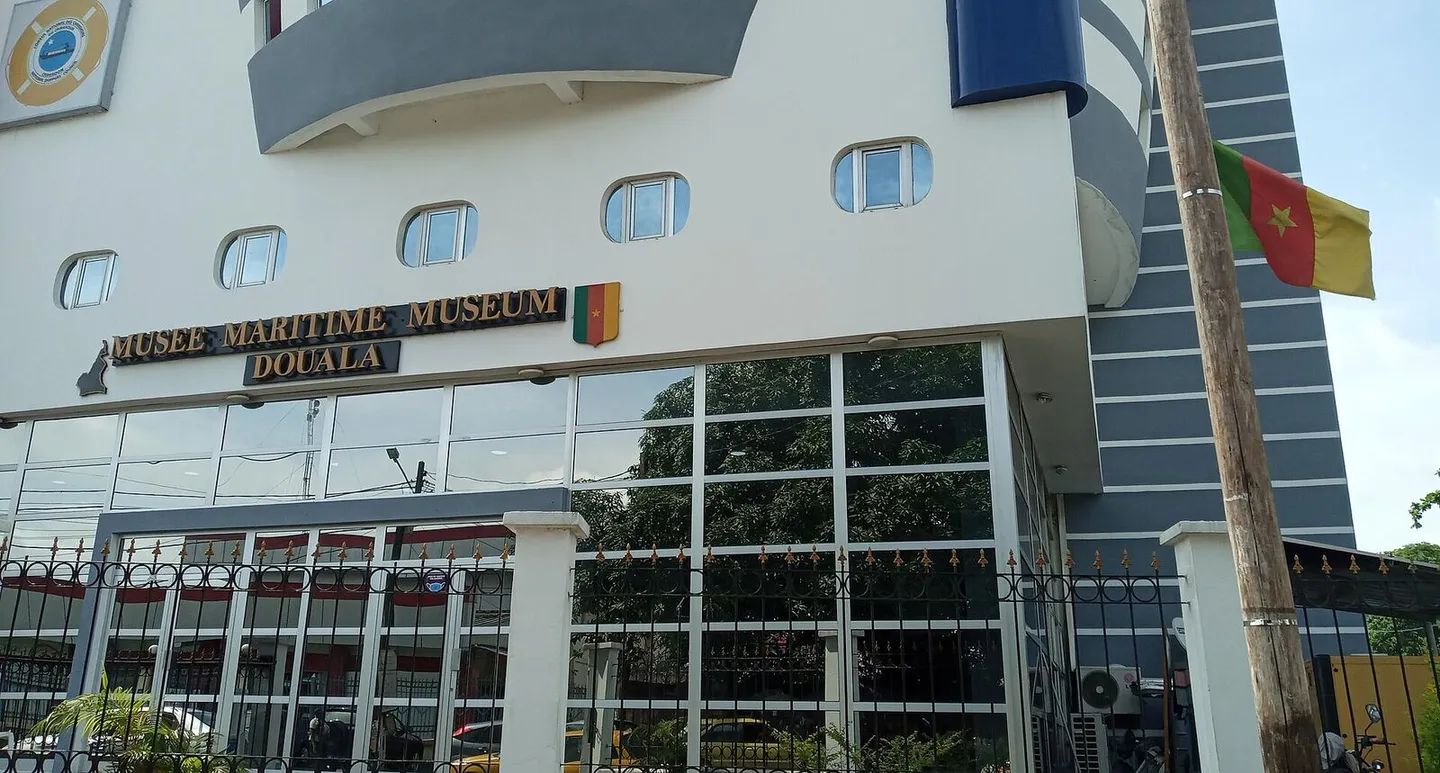 The Maritime Museum in Douala's Bonanjo district. Photo: Serieminou, CC BY-SA 4.0, via Wikimedia Commons.
The Pagoda and the Dika Akwa palace
On Place du Gouvernement, in Bonanjo, the Pagoda is the former palace of the Bell kings, built during the German period: it is one of the city's few historic buildings. In Akwa, the doors of the Dika Akwa palace bring together symbols of several of the country's peoples (Bamiléké hut, Bamoun two-headed snake, Béti hut); each year the palace hosts part of the Ngondo. Allow about 3,000 FCFA for the visit.
The Ekom-Nkam falls
Near Melong, on the road to Nkongsamba, the Nkam drops 80 m in the middle of dense forest; the film Greystoke was shot here. You walk down steps between tall kapok trees. Access and guide: 3,000 FCFA, 3,500 FCFA with a camera. The last 4 kilometers are on a poorly maintained dirt track. The site is under increased caution: come in a group and leave before nightfall.
Mount Manengouba and its twin lakes
A former volcano of about 2,400 m surrounded by forest, Manengouba holds two crater lakes, the twin lakes. Heightened vigilance: an escort is recommended.
Lake Ossa
18 km from Dizangué, near Édéa, Lake Ossa is a group of small lakes formed by an oxbow of the Sanaga, with up to 22 islands. This nature reserve is home to manatees.
The South: Kribi, the coast and the forest
Around Kribi, the sea, the waterfalls and the fishing villages can be visited in a few days. For the beaches, see our article “The beaches of Kribi and the South coast.”
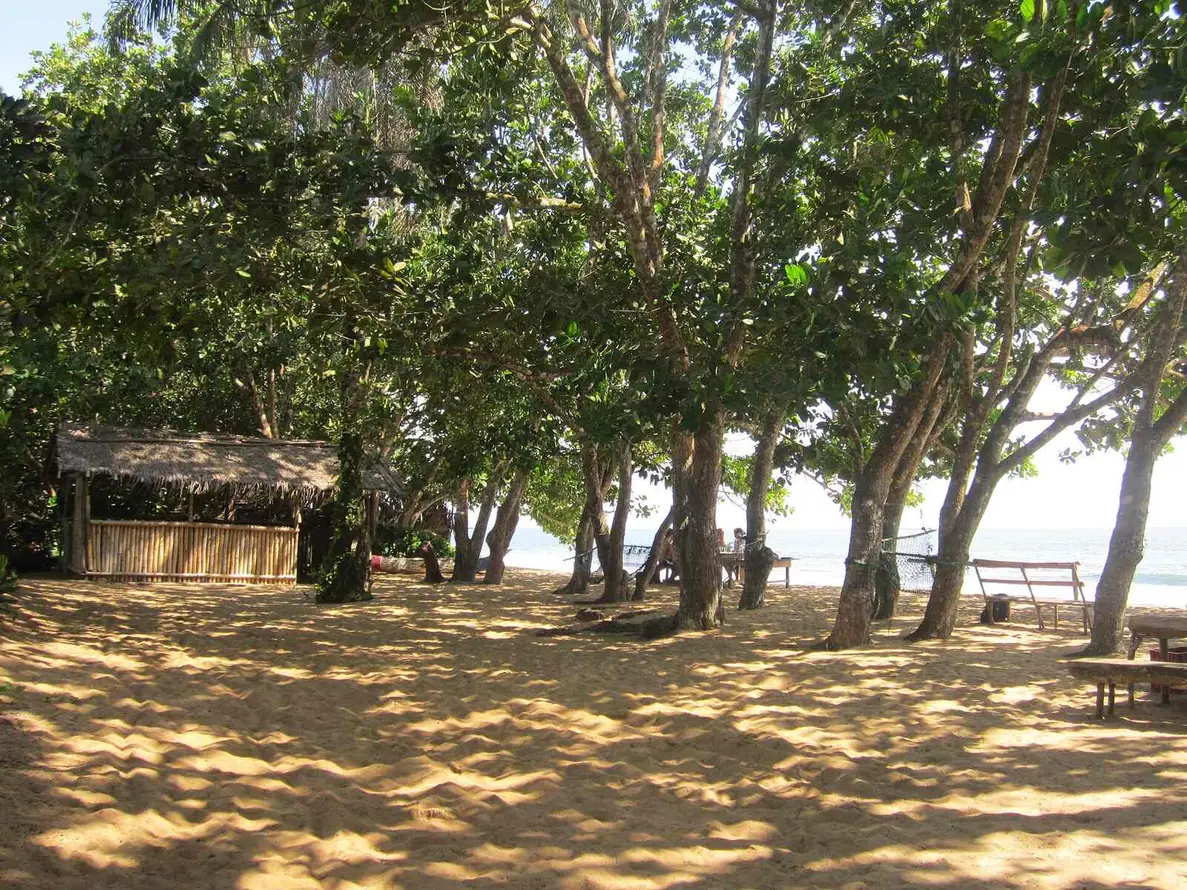 Grand-Batanga beach. Photo: Aso bolo, CC BY-SA 3.0, via Wikimedia Commons.
Lobé Falls
A few kilometers south of Kribi, the Lobé flows directly into the sea through a waterfall more than 100 m wide. A dugout canoe trip to the foot of the falls is recommended. They are at their strongest from September to November.
Grand-Batanga and Londji
Past the falls, the Grand-Batanga coast has fine, wilder beaches, even though some of them have been damaged by trucks from the port. To the north, 18 km from Kribi, Londji is a fishing village where you can eat grilled fish on the beach, next to a mangrove.
Ebodjé and the sea turtles
About 50 km from Kribi toward Campo, 35 km of it paved, this fishing village has deserted beaches and offers dugout canoe trips. From November to January, it is sea turtle nesting season.
Campo Ma'an National Park
On the border with Equatorial Guinea, the park reaches down to the coast. It is home to gorillas. It is 80 km from Kribi, 45 km of it on dirt track. Entrance fee: 5,000 FCFA per person per day; local guide and forest ranger: 10,000 FCFA per day for both.
Nkolandom, near Ebolowa
About twenty kilometers from Ebolowa, this tourist center has huts built from local materials, a restaurant and a swimming pool, with a view of the hills.
The Center: Yaoundé and its surroundings
The Reunification Monument
Erected in 1972, it symbolizes the reunification of 1961 and the unification of 1972: an old man carrying five children holds up the national torch. It stands on Boulevard de la Réunification, in the city center.
The National Museum of Cameroon
Housed in the former palace of the first president, Ahmadou Ahidjo, and renovated in 2015, it has 30 rooms over 5,000 m², with costumes from the ten regions, instruments, objects belonging to traditional chiefs and Manu Dibango's saxophone. Closed on Mondays; 2,000 FCFA for residents, 5,000 FCFA for non-residents.
Mount Fébé and the Sainte-Anastasie woods
Mount Fébé, a 1,073 m hill, offers a view over the whole city, best seen at dawn or late in the day. Right in the center, at the Warda intersection, the Sainte-Anastasie woods are an island of greenery crossed by streams; admission costs 100 FCFA.
The Méfou and Ebogo, as day trips
About an hour's drive away, the Méfou park is a rehabilitation center run by the NGO Ape Action Africa, a sanctuary for chimpanzees and gorillas that are victims of poaching. Open daily from 8:30 a.m. to 4:30 p.m.; admission 7,500 FCFA. Near Mbalmayo, the Ebogo ecosite is explored by dugout canoe on the Nyong.
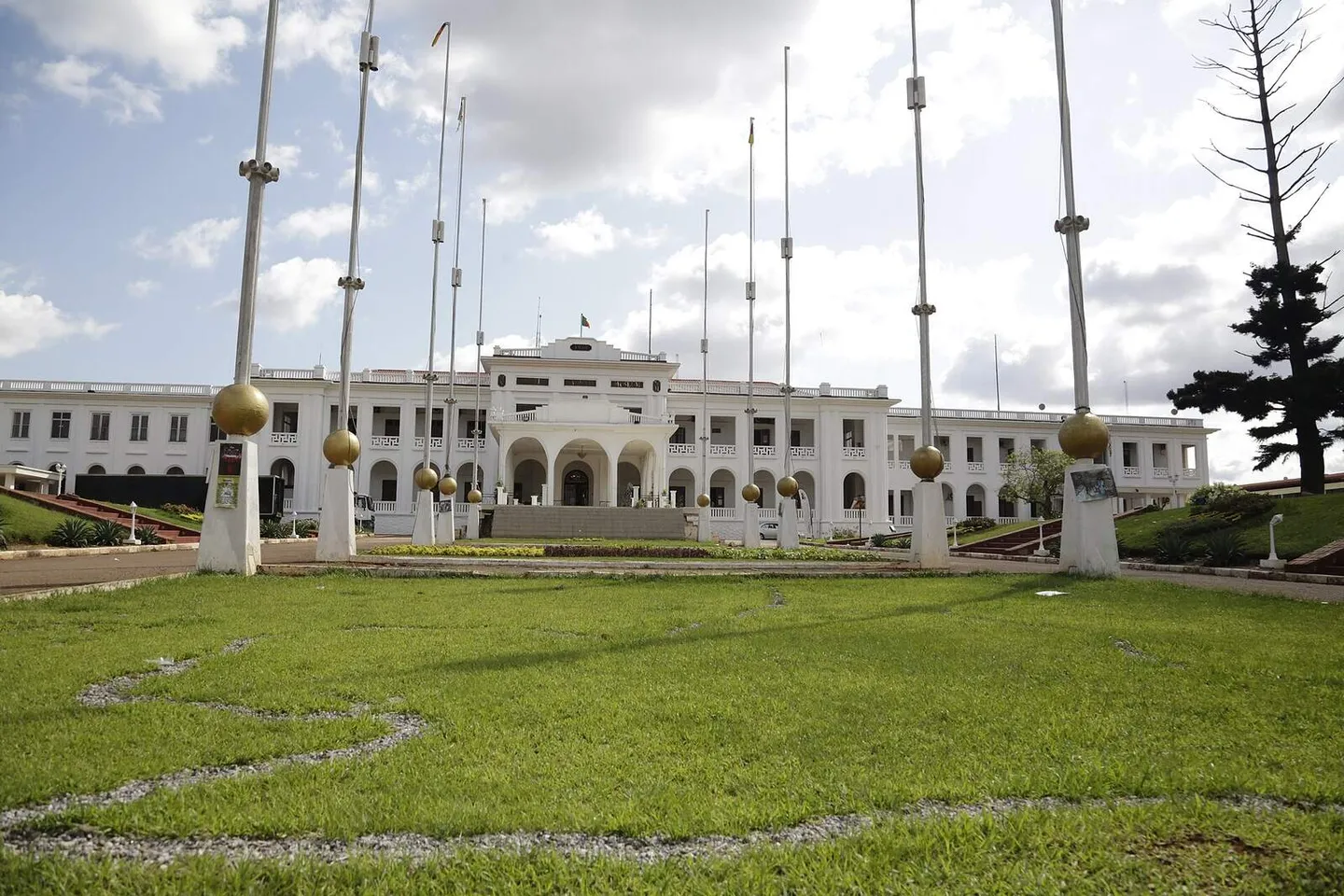 The National Museum in Yaoundé, the former presidential residence. Photo: Manuella sali, CC BY-SA 4.0, via Wikimedia Commons.
The West: chiefdoms, museums and crater lakes
Around Bafoussam, Dschang and Foumban, the West brings together chiefdoms, museums, crater lakes and mountains within a few dozen kilometers. Our article “The chiefdoms of the West” details the visits and the rules to follow.
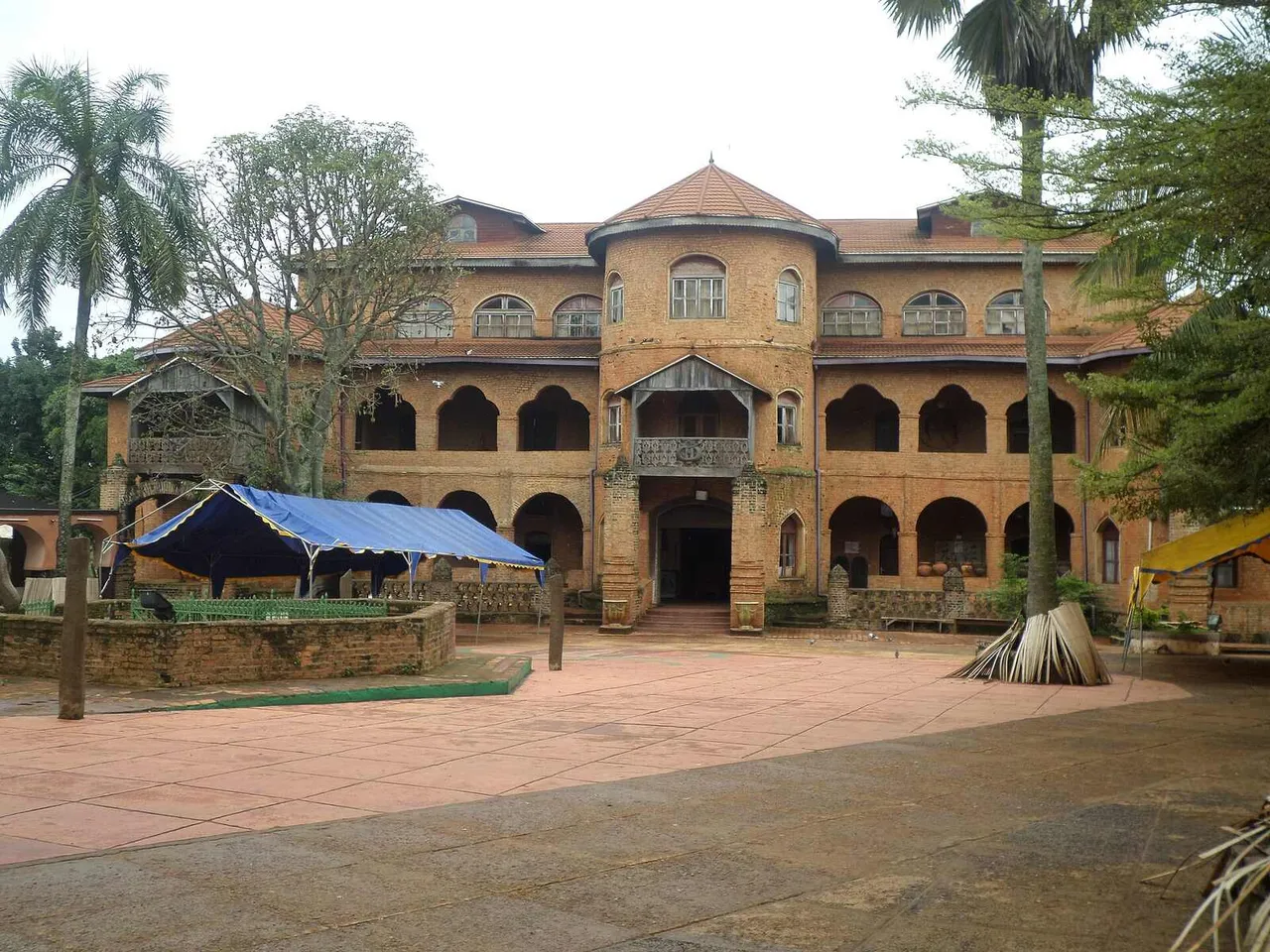 The palace of the Bamoun kings, Foumban. Photo: Njiderma, CC BY-SA 3.0, via Wikimedia Commons.
The Bandjoun chiefdom and Bandjoun Station
The Bandjoun chiefdom is home to the Nemo great hut (grande case) and a museum dedicated to blacksmithing, with nearly 400 objects. Adult admission 2,000 FCFA, camera 1,000 FCFA; open Monday to Friday, 9 a.m. to 5 p.m., and on weekends, 10 a.m. to 5 p.m. Nearby, Bandjoun Station is a contemporary art center founded by the artist Barthélémy Toguo, open daily from 10 a.m. to 6 p.m. (3,000 FCFA for foreign visitors, 2,000 FCFA for Cameroonians).
The palace of the Bamoun kings in Foumban
Built from 1917 to 1921 by King Njoya, the palace houses a royal museum: headdresses, masks, thrones, coronation robe. Open daily from 8:30 a.m. to 5:30 p.m.; admission 2,000 FCFA; photos allowed outside only. Nearby, the artisans' street lets you watch sculptors, basket weavers and cabinetmakers at work.
The Batoufam and Baham chiefdoms
In Batoufam, the museum is open-air: it presents traditional architecture at the heart of a labyrinthine palace. The chiefdom offers guest rooms and a restaurant on the royal pond; admission 5,000 FCFA for foreign visitors, 3,000 FCFA for Cameroonians, daily from 9 a.m. to 6 p.m. In Baham, the museum presents the exhibition “Art, Memory and Power,” nearly 300 objects (3,000 FCFA for foreign visitors).
Dschang: the Museum of Civilizations and the cliff
On the shore of the municipal lake, the Museum of Civilizations traces the history of Cameroon in five areas, from the forest peoples to the chiefdoms of the Grassfields. Open Tuesday to Sunday, 8 a.m. to 7 p.m.; 3,000 FCFA for non-residents. From the village of Litieu, the Dschang cliff offers a view over the mountains, on the old elephant trail.
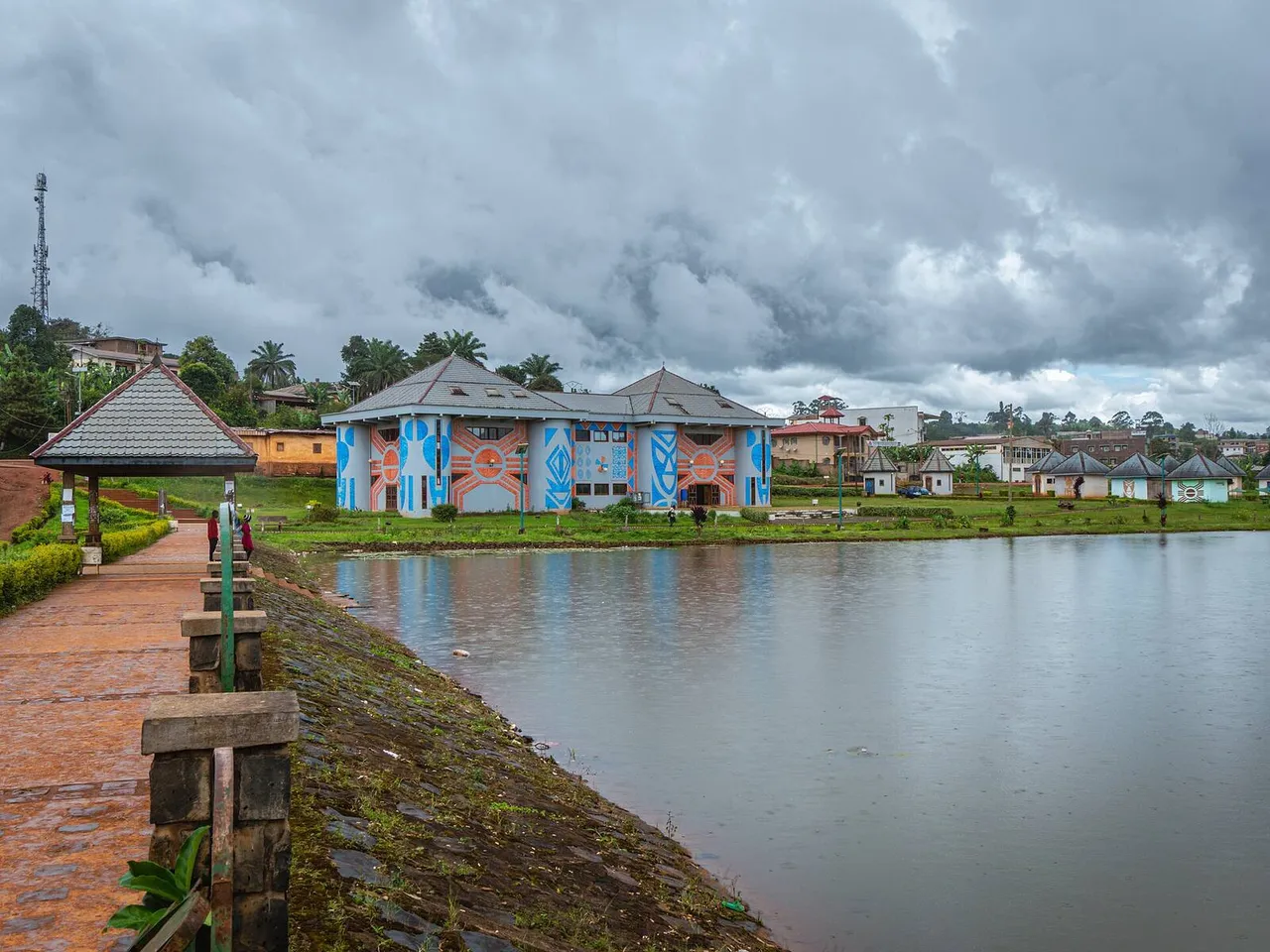 The Museum of Civilizations in Dschang, seen from the municipal lake. Photo: Sid Mbog, CC BY-SA 4.0, via Wikimedia Commons.
Lake Baleng and Mount Mbapit
Near Bafoussam, Lake Baleng is a crater lake you discover on a loop hike along the crater rim. Between Bafoussam and Foumban, Mount Mbapit, a former volcano of about 1,988 m, also hides a crater lake; the climb starts from the village of Koupa, via Foumbot. Access with a guide: 5,000 FCFA for non-residents, 1,000 FCFA for residents.
The East: the Dja Biosphere Reserve
Listed as a UNESCO World Heritage Site in 1987, the reserve covers 526,000 ha of dense forest bounded by the Dja River. Baka Pygmies live there; you can see chimpanzees, mandrills, buffalo and more than 90 bird species. It is more than two hours' drive from Yaoundé and Bertoua. Admission 5,000 FCFA per person per day, camera 2,000 FCFA, vehicle 2,000 FCFA per day; the reserve office provides a tracker. Go through a local agency to organize your stay.
Adamaoua and Southwest: sites under an unfavorable advisory
France Diplomatie advises against travel to these two regions except for essential travel (update of November 5, 2026). If you must go, follow the guidance in our article “Traveling Safely in Cameroon.”
Ngaoundéré, Lake Tison and Tello Falls
Founded in 1830 by the Fulani, the lamidate of Ngaoundéré can be visited with a guide (2,000 FCFA). About 15 km away, Lake Tison is a small crater lake (1,000 FCFA; swimming strongly discouraged). About sixty kilometers to the east, Tello Falls drop 45 m in front of a vast cavern; a 4x4 is recommended.
Mount Cameroon, Limbé and Bimbia
Mount Cameroon, at 4,090 m, is the highest peak in the country and an active volcano, whose last eruption was in 2012. In Limbé, the botanical garden was created in 1892, and the Limbe Wildlife Centre takes in injured or orphaned primates. Bimbia is a former port from which enslaved people were shipped.
The heritage of the Greater North and the Northwest
Waza park, Rhumsiki and Kapsiki country, the Diy-Gid-Biy cultural landscape in the Mandara Mountains (World Heritage listed in 2025), the Bafut palace and Lake Nyos are part of the country's heritage. But all travel to the Far North and the Northwest is advised against, and travel to the North is advised against except for essential travel. As long as these advisories remain in force, we present them as heritage, not as destinations.
For a first trip, the South coast and the West combine easily, outside the advised-against areas. Aim for the dry season, from November to March, and save the rest of the country for later.
Questions Fréquemment Posées
How much does admission to tourist sites in Cameroon cost?
For a foreign visitor, most museums and chiefdoms charge between 2,000 and 5,000 FCFA: 2,500 FCFA at the Douala Maritime Museum, 2,000 FCFA at the Foumban palace, 5,000 FCFA at the National Museum. Parks and reserves cost 5,000 FCFA per person per day, plus the guide, camera and vehicle. Bring cash.
Which sites in Cameroon are on the UNESCO World Heritage List?
Three: the Dja reserve (1987), the Sangha Trinational, shared with Congo and the Central African Republic, which includes Lobéké park (2012), and the Diy-Gid-Biy cultural landscape in the Mandara Mountains (2025). Lobéké and the Mandara Mountains are in areas where all travel is advised against.
What can you see in Cameroon in one week?
A week lets you combine two days in Kribi (Lobé Falls, Londji, Grand-Batanga), one day in Douala and three or four days in the West (Bandjoun, Foumban, Dschang). Drive during the day only.
Mots-clés
Ces articles peuvent vous intéresser
Catégorie
Tourisme
Réf: BGC33DF
Avis (0)
Laisser un commentaire
Incluez l'indicatif pays, ex: +237 612345678