Chargement...

Chargement...


In Cameroon, it is hot almost all year round, but each region has its own rainfall pattern. The usual advice is the dry season, from November to March, or the June to August period; January and February are the sunniest months. Here is the climate region by region, and the best time for each major destination.
| Region | Climate | Recommended period | Good to know |
|---|---|---|---|
| Littoral and South (Douala, Kribi) | Equatorial, hot and humid | Dry season, from November to March | The Lobé Falls are at their strongest from September to November; turtles in Ebodjé from November to January |
| Southwest (Limbé, Buéa, Mount Cameroon) | Very rainy | Dry season | Very heavy rainfall on the slopes of Mount Cameroon |
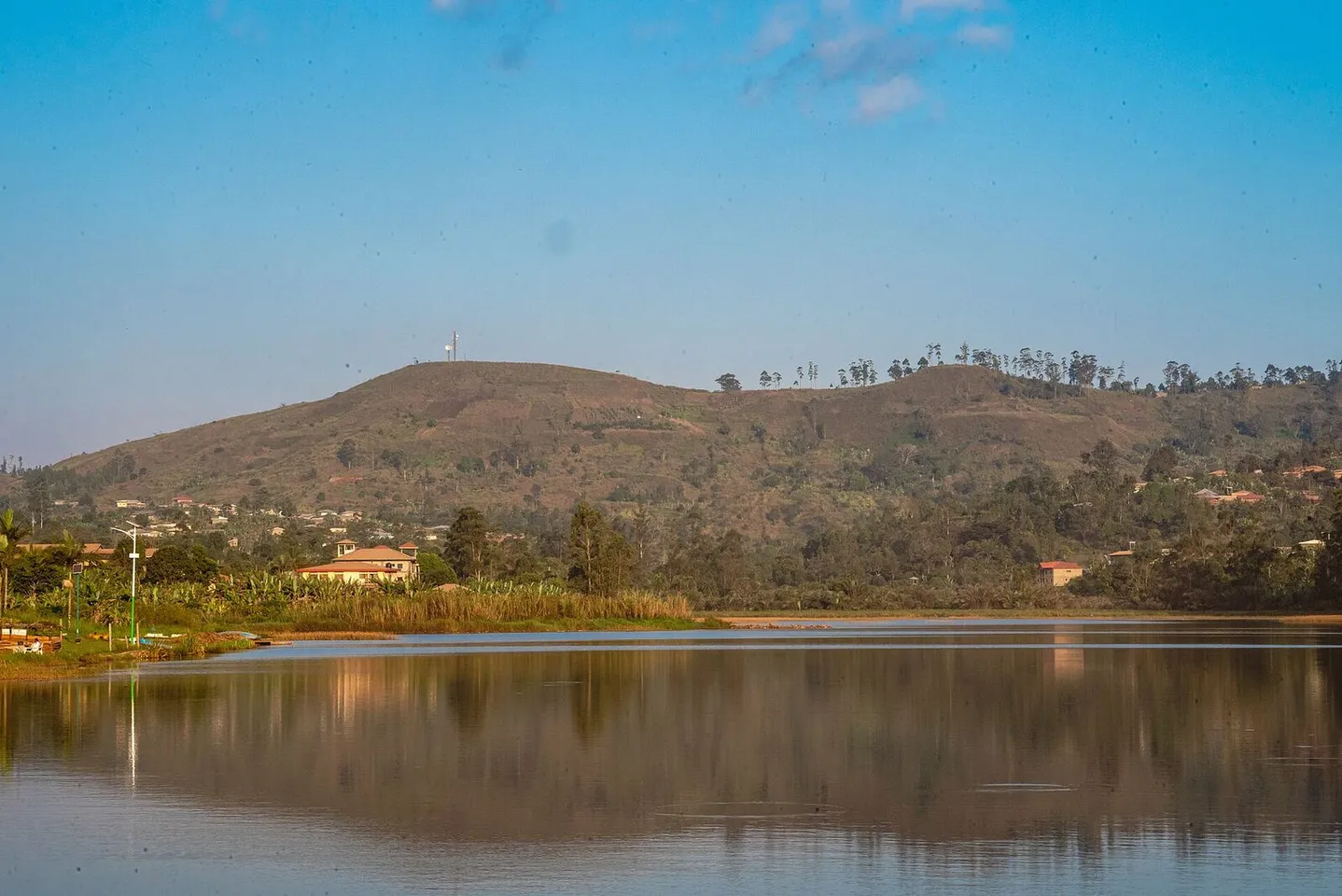
| West (Bafoussam, Dschang, Foumban) | Tropical, tempered by altitude | From November to February | December dry and cool; first rains in March |
| Center (Yaoundé) | Equatorial, around 25 °C | Dry season | Lighter rains from November to May |
| North and Far North | Dry tropical to Sahelian | Dry season | Around 40 °C near Lake Chad; regions partly advised against |
General guidelines: the climate varies from year to year.
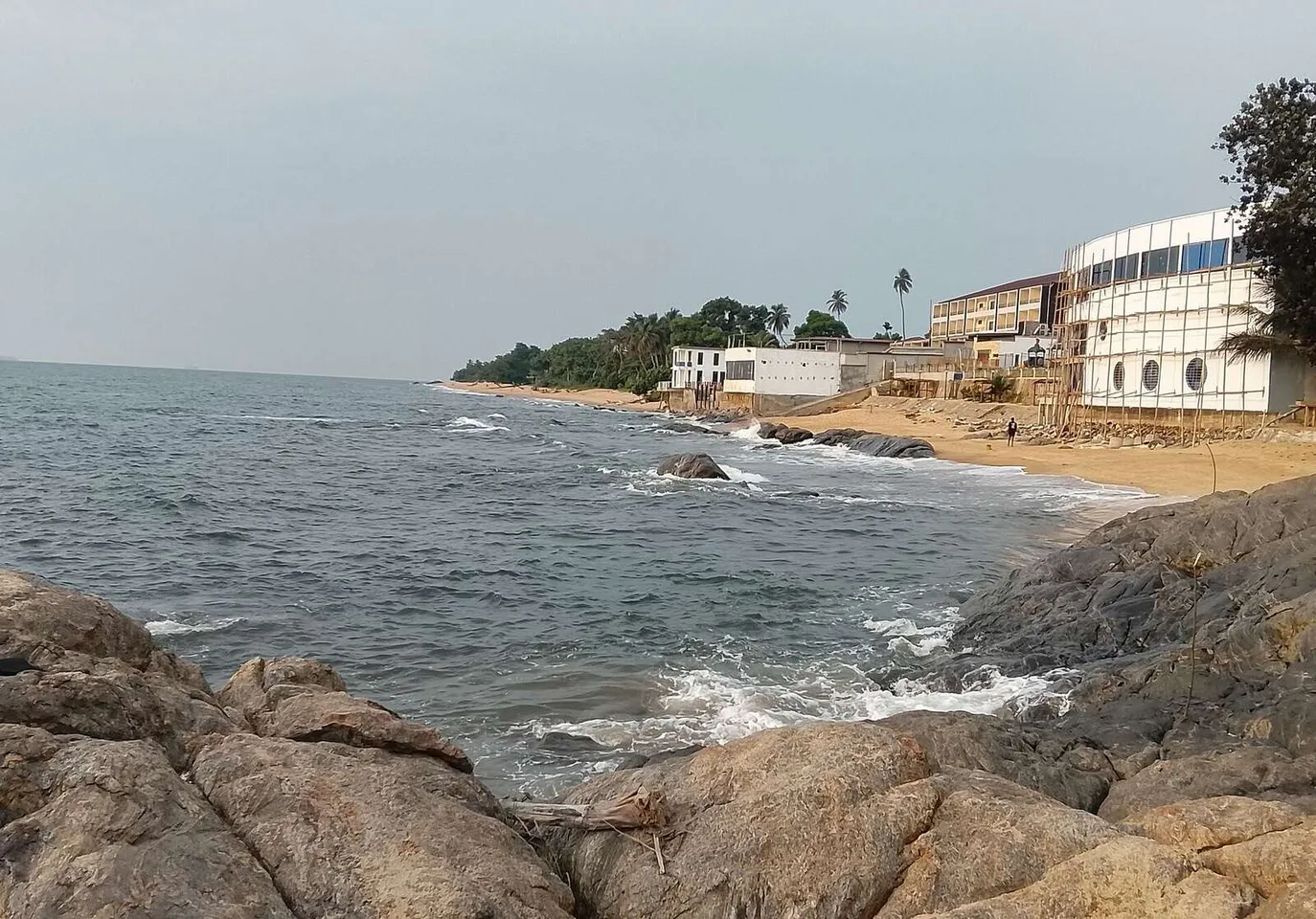 Kribi in the dry season. Photo: Emeline Tchakounte, CC0, via Wikimedia Commons.
The coast has a hot and humid climate all year round. For the beach, aim for the dry season: the sand is golden and the sun shines every day. During the rainy season, the rain is heavy, but it is the best time to see the Lobé Falls.
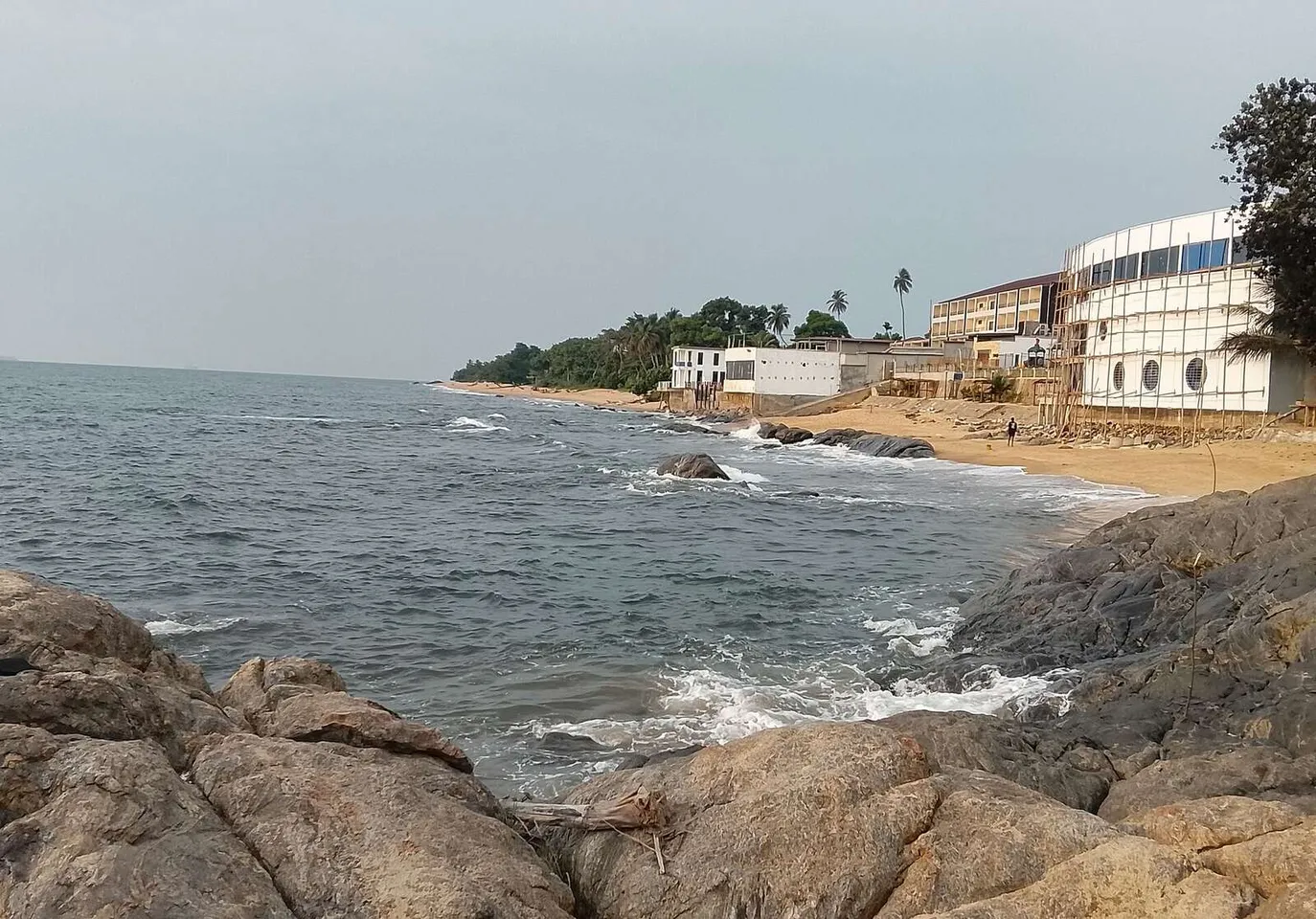 A sunny day on the beach in Kribi.
Hot and humid, with a peak of visitors during the year-end holidays. From November to January, it is also the nesting season of sea turtles in Ebodjé.
Thanks to the altitude, the West is cooler than the coast. The dry season begins in July-August, alternating light rain and fog, and peaks in December, which is dry and cold. The first rains return in March. The dry season is also when the West lives to the rhythm of funerals and traditional festivals.
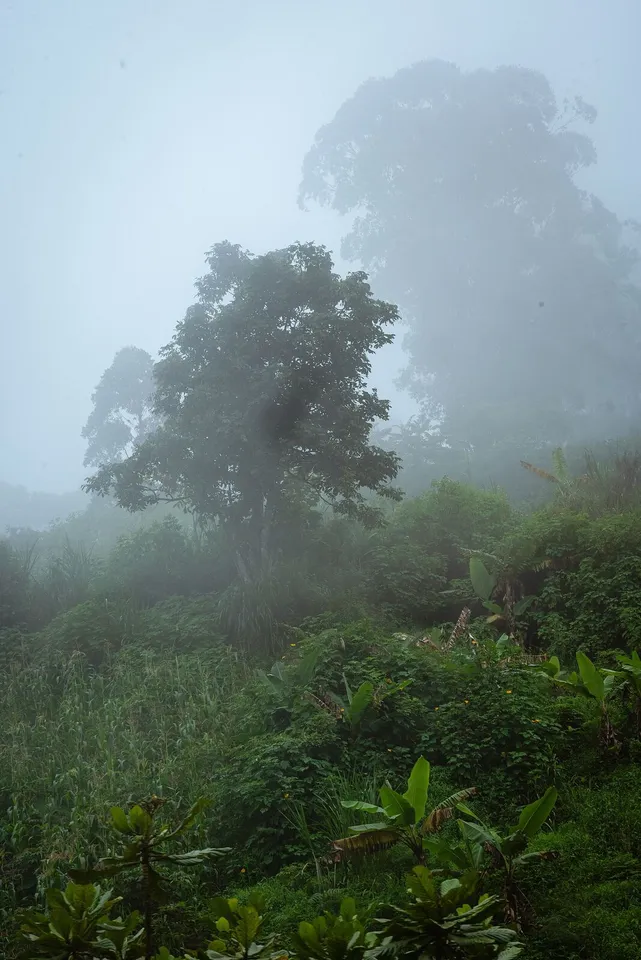 The Dschang cliff in the mist. Photo: Sid Mbog, CC BY-SA 4.0, via Wikimedia Commons.
Dschang is known for its cool weather: bring a sweater for December evenings.
The Littoral and the Southwest are among the wettest regions in the world. The slopes of Mount Cameroon receive up to 8,000 mm of rain per year, and the village of Debunscha up to 10,000 mm. For the climb, choose the dry season. Travel to the Southwest is advised against except for essential travel: see the article “Traveling Safely in Cameroon.”
As you head north, the difference between the dry season and the rainy season becomes more pronounced. Near Lake Chad, the climate is arid, around 40 °C during the day. Travel to the Far North is strongly advised against.
For a first trip, the dry season, from November to March, lets you combine the beach in Kribi with the highlands of the West. To see the Lobé Falls at their strongest, come from September to November.
What is the best month to go to Cameroon?
January and February, the sunniest months, in the heart of the dry season.
Can you go to Kribi during the rainy season?
Yes: it is even the best time to see the Lobé Falls at their strongest. Keep your schedule flexible and drive carefully, as storms sometimes make the road dangerous.
Does it get cold in Cameroon?
On the coast, no. In the West, December nights are cool.
Ces articles peuvent vous intéresser
Guides
Réf: BGC33DE
Avis (0)
Laisser un commentaire
Incluez l'indicatif pays, ex: +237 612345678